Heat Therapy vs. Cold Therapy: Which Works Best for Winter Pain?
6 min read

Heat Therapy vs. Cold Therapy: Which Works Best for Winter Pain?
For winter pain, you'll want ice for fresh injuries like slips on icy sidewalks—apply within 48-72 hours to reduce swelling by constricting blood vessels and numbing sharp pain. Heat works better for chronic aches and morning stiffness, expanding vessels to increase circulation by up to 77% and delivering pain-relieving oxygen. In winter, arthritis sufferers especially benefit from heat as dropping barometric pressure intensifies symptoms. For persistent issues, try contrast therapy using a 3:1 heat-to-cold ratio for superior muscle recovery. The techniques below reveal exactly how to apply each treatment safely.
Understanding How Cold and Heat Therapies Work on Your Body
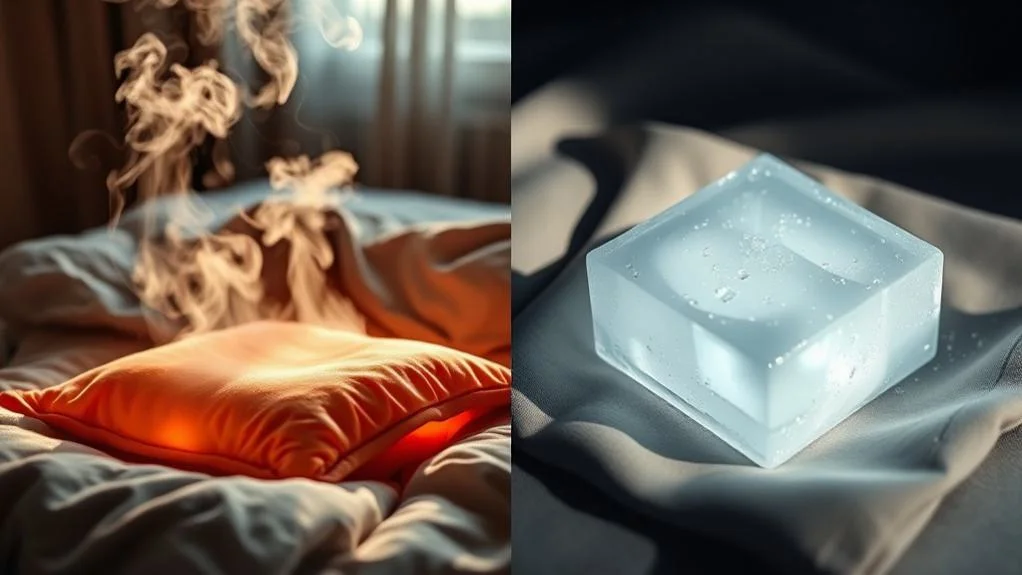
When winter stiffness hits your joints or an injury causes swelling, choosing between ice and heat can feel confusing. Here's what's actually happening: heat expands your blood vessels, increasing circulation by up to 77% in muscles. This delivers oxygen and nutrients while flushing out waste products. Cold does the opposite—it constricts vessels, reducing blood flow by 19-38%. This limits inflammatory compounds and slows nerve signals that transmit pain. For safe application, keep heat therapy between 95 and 109 degrees F to avoid burns while maximizing therapeutic benefits. Heat works best for chronic aches and stiffness, while cold excels at controlling acute inflammation. understanding these mechanisms helps you select the right therapy for your specific situation.
When to Reach for Ice: Acute Injuries and Sudden Winter Falls
Your body's immediate response to trauma—whether it's a slip on black ice or a twisted ankle shoveling snow—triggers inflammation that can worsen tissue damage if left unchecked. That's when you'll want to reach for ice immediately.
Cold therapy works best within the first 48-72 hours after acute injuries. Apply ice for 20 minutes to:
Reduce blood flow and swelling
Numb sharp pain
Decrease muscle spasms
Limit fluid accumulation
The cold constricts blood vessels, slowing inflammation and controlling pain. Ice provides temporary pain relief by dulling sensations and blocking pain signals to the affected area. However, don't overdo it—prolonged icing can delay healing and potentially damage tissue.
When to Apply Heat: Chronic Pain and Muscle Stiffness

Unlike ice's role in fresh injuries, heat becomes your go-to therapy for nagging, persistent pain that's been bothering you for weeks or months. Studies show continuous low-level heat wraps outperformed acetaminophen by 33% and ibuprofen by 52% in chronic low back pain relief.
Heat therapy excels at reducing muscle stiffness by decreasing fascial tissue viscosity, allowing muscles to glide smoothly again. You'll notice improved flexibility—patients wearing heat wraps for 8 hours daily showed significant lateral trunk flexibility gains. By dilating blood vessels, heat increases the delivery of oxygen and nutrients to damaged tissues, accelerating the healing process.
Best applications include:
Chronic low back pain
Morning muscle stiffness
Pre-exercise warm-up
Workplace pain management
Combine heat with exercise for maximum benefit—studies report 84-175% greater functional improvement.
Proper Application Techniques for Safe and Effective Relief
Getting the temperature right makes the difference between relief and regret. For cold therapy, aim for 50-60°F and always wrap ice packs in a light towel to prevent frostbite. Apply for 15-20 minutes maximum, repeating every 4-6 hours during the first three days post-injury.
Heat therapy works best at 104-113°F. Moist heat from steamed towels penetrates deeper than dry heating pads. Apply for 15 minutes per session, but wait 72 hours after injury to avoid worsening inflammation. Cold therapy constricts blood vessels to slow nerve signals and control swelling in acute injuries.
Key Safety Rules:
Never apply heat or ice directly to skin
Monitor for excessive redness or numbness
Stop immediately if discomfort increases
Alternating Between Cold and Heat for Persistent Pain
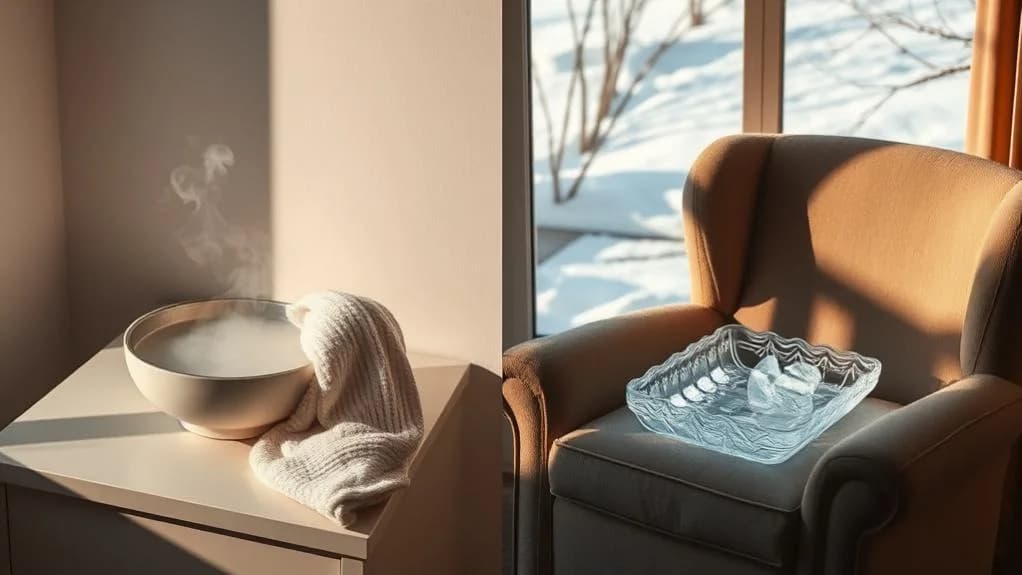
When muscle stiffness persists despite single-therapy approaches, contrast therapy—alternating between heat and cold—offers superior relief. Research shows alternating stimulation reduced muscle hardness from 1.43 N to 1.37 N, outperforming heat or cold alone. You'll see best results with a 3:1 ratio: three minutes of heat followed by one minute of cold, repeated for five sets.
This combination works because cold reduces inflammation while heat promotes blood flow and tissue repair. Studies confirm you'll experience 15–20% better muscle recovery compared to single-therapy methods. The approach particularly excels for stubborn shoulder and neck stiffness that won't respond to conventional treatment. For chronic conditions like rheumatoid arthritis, this alternating method can complement standard treatments to reduce joint pain and improve mobility.
Special Considerations for Winter-Related Aches and Inflammation
Winter's dropping temperatures don't affect everyone equally—certain groups face amplified risks that demand modified treatment approaches.
Arthritis patients experience intensified symptoms when barometric pressure drops. You'll need longer heat therapy sessions to counteract synovial fluid thickening and increased joint stiffness.
Prosthetic users face unique challenges as cold tightens surrounding muscles and tissues. Gentle heat application before activity improves mobility and reduces discomfort. Cold weather causes blood vessel constriction, which reduces flow to muscles and joints, making proper warm-up essential.
High-risk conditions requiring specialized care:
Meniscus tears and knee injuries
Chronic back and shoulder pain
Circulation disorders affecting extremities
You should extend warm-up periods and combine therapies strategically, adjusting treatment intensity based on your specific vulnerability.
Frequently Asked Questions
Can I Use Heat or Ice Therapy While Taking Pain Medication?
Yes, you can combine heat or ice therapy with oral pain medication. However, you'll need to space treatments 2-4 hours apart and avoid using heat with topical pain creams, as this increases absorption and burn risks.
How Long Does It Take to Feel Relief From Cold or Heat Therapy?
You'll feel relief from cold therapy within 10-20 minutes as it numbs nerve endings and reduces inflammation. Heat therapy works similarly fast, providing muscle relaxation and pain relief in 15-20 minutes after application.
Are Heating Pads Better Than Hot Water Bottles for Muscle Pain?
Heating pads are better for muscle pain because they deliver consistent, adjustable heat that penetrates deeper into your muscles. They're especially effective for chronic pain and stiffness, offering longer-lasting relief than hot water bottles.
Can I Use Cold Therapy on Arthritis During Winter Months?
You shouldn't use cold therapy on arthritis during winter months. Cold worsens joint stiffness by thickening synovial fluid, reducing circulation, and increasing muscle tension around damaged joints, which amplifies your pain and inflammation.
Is It Safe to Sleep With a Heating Pad or Ice Pack?
You shouldn't sleep with either. Heating pads can cause burns, fires, and skin damage overnight, while ice packs risk frostbite and nerve damage. Use them for 20-30 minutes only, then remove before sleeping.
Advertisement
Related Posts
When dealing with knee pain at home, it's essential to first identify potential causes like overuse,
If you are scheduled for surgery, are pregnant and expecting soon, you may be wondering about pethid