Knee Pain During Pregnancy: Causes and Safe Relief Methods
Kyle
10 min read
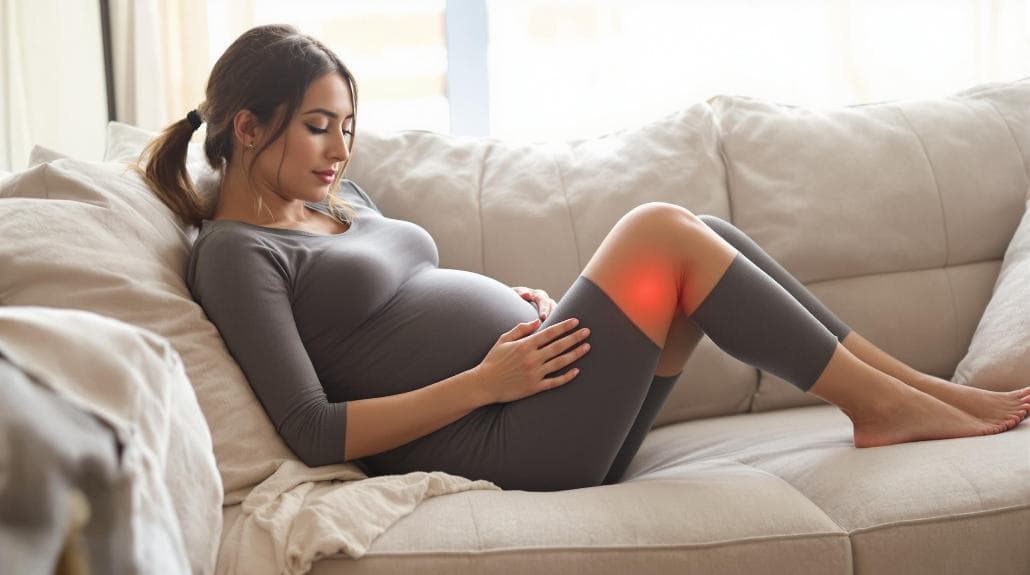
During pregnancy, you may experience knee pain due to several factors: weight gain puts extra pressure on your joints, hormonal changes loosen ligaments, and your shifting center of gravity affects posture. To find relief, try low-impact exercises like swimming or prenatal yoga, wear supportive shoes, and use heat/cold therapy for comfort. Take regular breaks to elevate your legs and consider using a belly band for added support. While knee pain affects about 7.6% of pregnant women, most symptoms are temporary and manageable with proper care. Understanding the specific causes and treatment options can help you navigate this common pregnancy challenge more effectively.
Understanding Pregnancy-Related Knee Pain
While pregnancy brings many physical changes to your body, knee pain is a common but often overlooked symptom that affects many expectant mothers. Your body undergoes several major changes that can contribute to knee discomfort during this special time.
The primary factors causing pregnancy-related knee pain include:
- Weight gain that puts extra stress on your joints
- Hormonal changes, particularly the release of relaxin and progesterone
- Shifts in your center of gravity and posture
You'll notice that as your pregnancy progresses, the additional weight puts more pressure on your knees. About 7.6% of women experience new knee pain during pregnancy, directly related to their increasing body weight. At the same time, your body's producing hormones that loosen your ligaments – it's helpful for childbirth but can make your joints less stable. Low-impact exercises like swimming can help maintain joint mobility while reducing strain on your knees.
Your growing belly also changes how you stand and walk. This shift in your center of gravity affects your posture, which can put unusual stress on your knee joints. Even after delivery, carrying your baby on your hip can continue to impact your posture and potentially contribute to ongoing knee discomfort.
Common Triggers and Risk Factors
Several specific triggers and risk factors can heighten your chances of experiencing knee pain during pregnancy. Weight gain is a primary factor, as those extra pounds put increased stress on your joints, particularly your knees. Maintaining a healthy weight can help reduce the strain on your knee joints during this critical period. If you've had previous knee issues, the additional weight can make them worse or trigger new problems. Staying active during pregnancy is important, as maintaining physical exercise levels supports overall maternal health. Knee joint anatomy can be particularly vulnerable during pregnancy due to the increased mechanical stress.
Your changing hormones play a considerable role too. During pregnancy, your body releases relaxin and progesterone, which cause your ligaments to become more relaxed and less stable. This can lead to joint discomfort and a feeling of looseness in your knees, especially if you're under 25 or have a BMI of 30 or higher.
Your posture changes considerably as your pregnancy progresses. As your center of gravity shifts, you'll notice changes in how you walk and stand, which can put extra stress on your knees. This is often made worse by fluid retention and swelling in your legs.
Other risk factors include:
- High activity levels
- Previous knee injuries or sprains
- Pre-existing knee conditions
- Young maternal age
- Higher body mass index
Impact on Daily Activities
Knee pain during pregnancy can greatly impact your everyday routines, from simple tasks like getting out of bed to more demanding activities such as climbing stairs. The softening of ligaments due to relaxin hormone during pregnancy can make your knees less stable and more prone to pain. You'll likely notice challenges with basic movements that you previously took for granted, like sitting down for meals or standing up from your desk at work.
Daily household chores may become more difficult as your knee pain affects your mobility. You might find yourself:
- Taking breaks more frequently while doing housework
- Avoiding activities that require kneeling or squatting
- Modifying how you carry groceries or laundry
- Moving more slowly up and down stairs
The impact isn't limited to physical activities – your emotional well-being may also be affected. It's common to feel frustrated when you can't move as freely as before, and you might experience mood changes as you adapt to these limitations. Many pregnant women report feeling less confident in their movements and more anxious about falling or injury.
Remember that while these challenges are temporary, it's important to listen to your body and make necessary adjustments to your daily routine. Don't hesitate to ask for help with tasks that strain your knees or cause discomfort.
Exercise and Movement Guidelines
Although pregnancy can limit some forms of exercise, you'll find many safe options to help manage knee pain and maintain your fitness. Low-impact activities like swimming, stationary cycling, and gentle stretching are excellent choices that won't put excessive strain on your joints. You'll want to focus on exercises that strengthen the muscles around your knees without risking injury. Studies have shown that 7.6% of women develop new knee pain during pregnancy. Knee strengthening exercises can help prevent and alleviate joint discomfort during this important physical period. Strengthening surrounding muscle groups can provide additional support and stability for your knee joints during pregnancy.
Consider these safe exercise options:
- Modified squats and lunges to build leg strength
- Prenatal yoga for joint stability
- Core stability exercises to improve overall balance
- Foot-strengthening movements to enhance knee support
Remember to wear supportive shoes during exercise and avoid high heels, which can throw off your center of gravity. If you're exercising, take breaks when needed and elevate your legs to reduce pressure on your knees. You might also find it helpful to use a knee brace for additional support during movement.
Before starting any exercise routine, it's crucial to consult your healthcare provider. They can help tailor activities to your specific trimester and guarantee you're exercising safely. If you experience increased pain, consider working with a physical therapist who specializes in prenatal care.
Natural Pain Relief Strategies
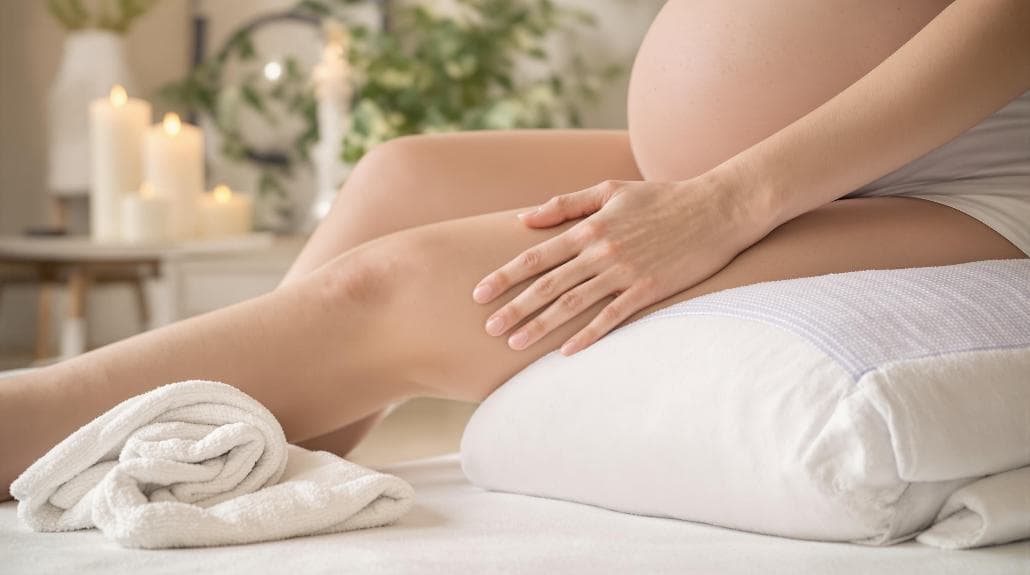
Beyond exercise, you'll find many natural ways to manage knee discomfort during pregnancy. Heat and cold therapy can provide immediate relief – try applying a heating pad on low for up to 20 minutes or use cold compresses to reduce swelling. You can also take warm showers, alternating between hot and cold temperatures to ease the pain.
Proper posture plays an essential role in minimizing knee strain. Consider wearing a belly band to help distribute your baby's weight more evenly, and always opt for supportive footwear with good arch support. When resting, elevate your feet and use pillows between your knees while sleeping on your side. Joint pain affects up to 80% of pregnant women, making it crucial to implement proper support strategies.
Alternative therapies like massage, acupuncture, and chiropractic care can offer additional relief. These treatments help relax muscles and improve joint comfort when performed by qualified practitioners familiar with pregnancy care.
At home, focus on simple lifestyle changes:
- Practice gentle stretching exercises
- Avoid high heels
- Use supportive pillows while resting
- Take regular breaks throughout the day
- Try toe yoga for improved knee flexibility
- Maintain a balanced diet to support joint health
Medical Treatment Options
When experiencing persistent knee pain during pregnancy, you'll want to consult medical professionals who can provide targeted treatments and interventions. Your healthcare team may include physical therapists, chiropractors, and obstetricians who'll work together to create a thorough treatment plan.
Physical therapy often serves as a cornerstone of medical treatment, offering specialized exercises and stretches to strengthen the muscles around your knee joint. Your physical therapist will design a custom program that's safe for your pregnancy stage while helping to reduce pain and improve stability. The release of relaxin hormone during pregnancy can contribute to joint instability and discomfort.
Here are key medical interventions you can discuss with your healthcare providers:
- Manual therapy and soft tissue treatments to reduce inflammation
- Cold or hot therapy applications for pain relief
- Supportive devices like knee braces or wraps
- Specialized modalities such as osteopathic therapy
- Chiropractic adjustments for spinal and pelvic alignment
Your treatment plan will likely change as your pregnancy progresses. During the first trimester, you'll focus on preventive exercises, while the second and third trimesters may require more supportive interventions to accommodate your changing body weight and balance needs.
Prevention and Support Methods
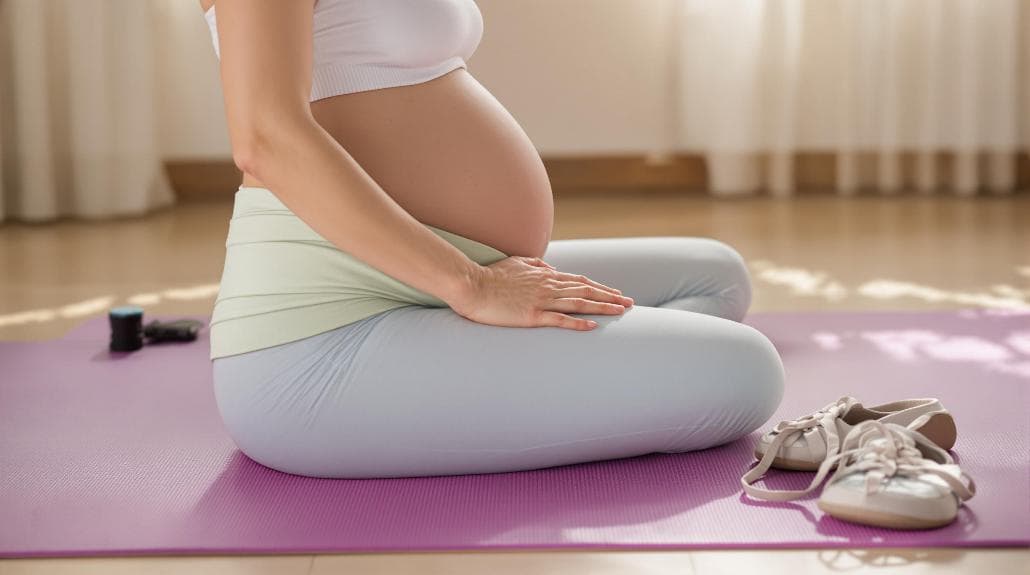
Taking proactive steps to prevent knee pain during pregnancy can considerably reduce your need for medical intervention. Your daily habits and choices play an essential role in managing joint discomfort as your body changes.
Start by focusing on proper posture and supportive gear. You'll want to invest in a quality belly band and comfortable shoes with good arch support. These simple additions can make a significant difference in how your knees feel throughout the day. The increased blood volume during pregnancy can contribute to swelling and discomfort in your legs and joints.
Your exercise routine matters too. Stick to low-impact activities like:
- Prenatal yoga
- Swimming
- Gentle walking
- Prenatal Pilates
When it comes to rest and sleep, use pregnancy pillows strategically. Place them between your knees while sleeping and avoid crossing your legs. Remember to take regular breaks during the day to elevate your feet and rest your joints.
Don't forget about lifestyle adjustments. Keep your weight gain within healthy limits through a balanced diet, and stay hydrated. You can also use compression stockings to reduce swelling and alternate between heat and cold therapy when your knees feel particularly uncomfortable.
When to Seek Medical Help
Most pregnant women can manage minor knee discomfort at home, but certain symptoms warrant immediate medical attention. If you experience severe or sudden knee pain, especially when it's accompanied by fever, swelling, or redness, you'll need to contact your healthcare provider right away. You should also seek help if you can't move your knee or bear weight on it.
Hormonal changes during pregnancy can cause ligament loosening, which may increase the risk of knee injuries.
Don't hesitate to consult your doctor if you're dealing with:
- Persistent pain that's getting worse over time
- Difficulty performing daily activities
- Pain that doesn't improve with rest
- Additional symptoms like pelvic or hip discomfort
- Recent exposure to fifth disease
You'll want to see a specialist if your knee pain occurs alongside other joint problems or if you have underlying conditions like arthritis. If you're concerned about taking pain medications during pregnancy, your healthcare provider can recommend safe options and create an appropriate treatment plan.
Frequently Asked Questions
Can Wearing High Heels During Early Pregnancy Contribute to Knee Pain?
You'll experience increased knee pain when wearing high heels in early pregnancy since they shift your weight forward, straining ligaments already loosened by pregnancy hormones.
Will Knee Braces Help Prevent Pregnancy-Related Knee Pain at Night?
You'll find knee braces can help prevent nighttime knee pain. Wear a breathable, adjustable brace that's not too tight. It'll support your ligaments while you sleep.
Does Carrying Twins Increase the Likelihood of Severe Knee Problems?
Yes, you'll face a higher risk of severe knee problems when carrying twins due to increased weight gain, enhanced hormonal effects, and greater mechanical stress on your joints.
Can Previous Knee Surgery Complications Worsen During Subsequent Pregnancies?
You're at higher risk for knee complications if you've had prior surgery, as pregnancy's hormonal changes and weight gain can stress your surgical site and weaken existing repairs.
Do Certain Sleeping Positions Help Reduce Pregnancy-Related Knee Pain More Than Others?
You'll find the most relief by sleeping on your left side with a pillow between your knees. This position helps maintain proper alignment and reduces pressure on your knee joints.
Related Posts

Our bodies react to cold weather in surprising ways, causing knee pain through pressure changes and
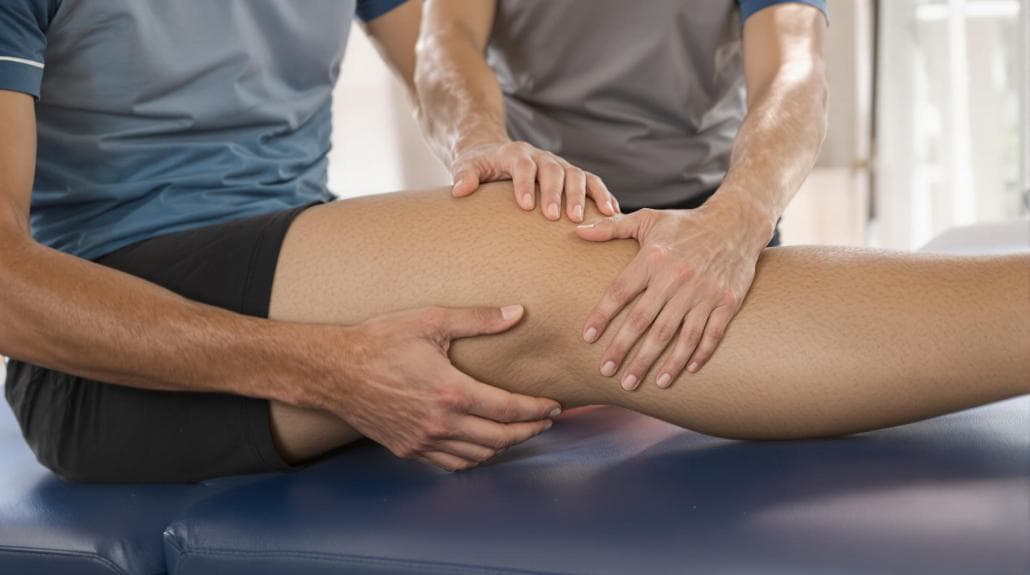
Overcome chronic knee pain with proven strategies and daily techniques that transform your mobility
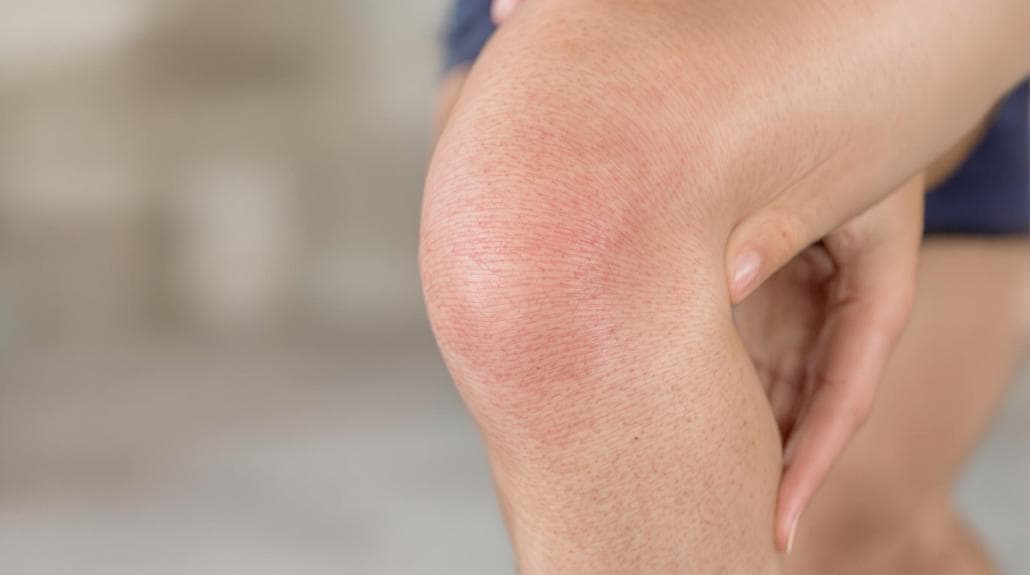
Jumping, running, or even walking can trigger knee pain – but which daily habits are secretly damagi