When to See a Doctor for Knee Pain: Warning Signs You Shouldn't Ignore
Kyle
8 min read
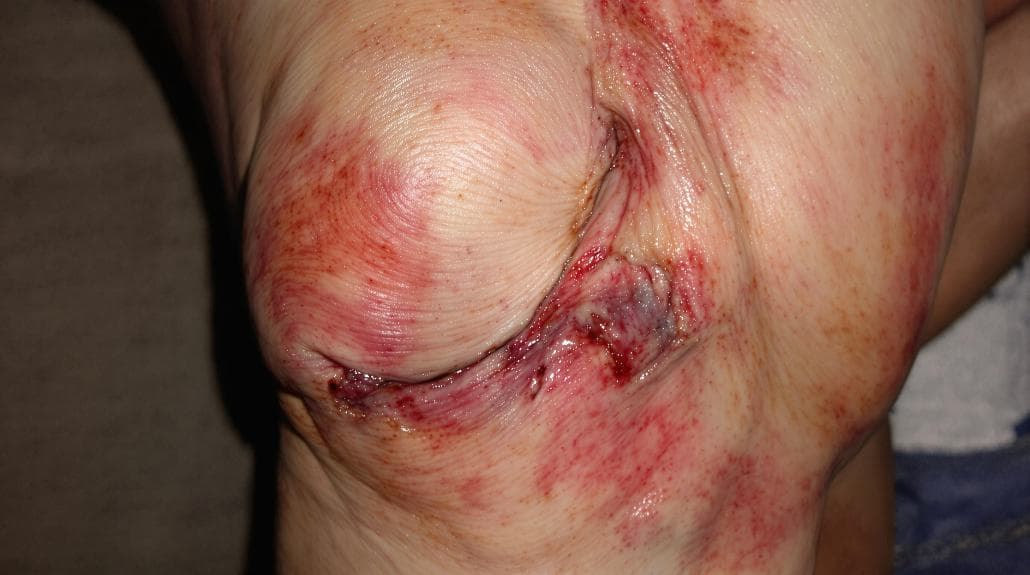
You should see a doctor for knee pain if you experience severe swelling, sharp stabbing sensations, or difficulty bearing weight on the affected leg. Don't ignore signs like visible deformity, popping sounds followed by pain, or inability to fully straighten or bend your knee. Chronic pain lasting more than three weeks, especially when it disrupts daily activities like climbing stairs or walking, requires medical evaluation. Risk factors like age, obesity, and physically demanding jobs can increase your likelihood of knee problems. Watch for developing a limp or knee instability – these symptoms often signal underlying issues that need professional assessment. Understanding these warning signs can help prevent more serious complications.
Understanding Common Knee Pain Signs
When knee pain strikes, recognizing the specific signs and symptoms can help you determine its severity and urgency. Your knee's condition can present itself in various ways, from sudden sharp pains to persistent aches that just won't go away. Knee joint anatomy plays a crucial role in understanding pain mechanisms and potential underlying conditions. Common knee conditions can significantly impact mobility and quality of life.
If you're experiencing acute knee pain, watch for these warning signs:
- Visible deformity compared to your other knee
- Sudden swelling and redness
- Sharp, stabbing pain
- Difficulty straightening or bending your leg
- A feeling that your knee might give way
Chronic knee pain tells a different story. You'll notice:
- Pain that persists beyond three months
- A dull ache that gradually worsens
- Trouble completing everyday activities
- Disrupted sleep patterns
- Swelling that comes and goes
The location of your pain can also provide important clues. Front knee pain might indicate runner's knee, while pain behind the knee could signal tendonitis. Athletes who participate in sports requiring sudden stops or directional changes are at higher risk for ACL injuries. Pay attention to specific areas of swelling or redness, as these may point to conditions like bursitis or infection. If you notice any of these symptoms, especially if they're severe or persistent, it's time to consult a healthcare provider.
Severe Symptoms Requiring Medical Care
While monitoring knee pain symptoms helps identify issues, certain severe signs demand immediate medical attention. You shouldn't ignore symptoms that could indicate a serious injury or condition requiring urgent care. Knee joint surgery may become necessary if these serious conditions are left untreated. Knee arthritis can progressively worsen joint damage if not properly evaluated and treated.
Common knee injuries like ligament sprains and tears can worsen significantly without proper treatment.
Seek emergency treatment immediately if you experience:
- Severe swelling with intense, immediate pain
- Inability to put any weight on your affected leg
- Visible deformity or misalignment of your knee
- A popping sound during injury followed by pain
- Numbness or tingling below your knee
You'll also need urgent medical care if you notice:
- Redness and warmth around your knee with fever
- Sudden, significant swelling that develops rapidly
- Complete loss of normal knee movement
- Severe pain that doesn't respond to rest
- Cold sensation or lack of pulse in your foot
These symptoms often indicate serious conditions like:
- Fractures or dislocations
- Torn ligaments or tendons
- Deep vein thrombosis
- Infection in the joint
- Vascular complications
Don't try to tough it out or wait for these symptoms to improve on their own – prompt medical attention can prevent long-term complications and guarantee proper treatment.
Risk Factors and Warning Signals
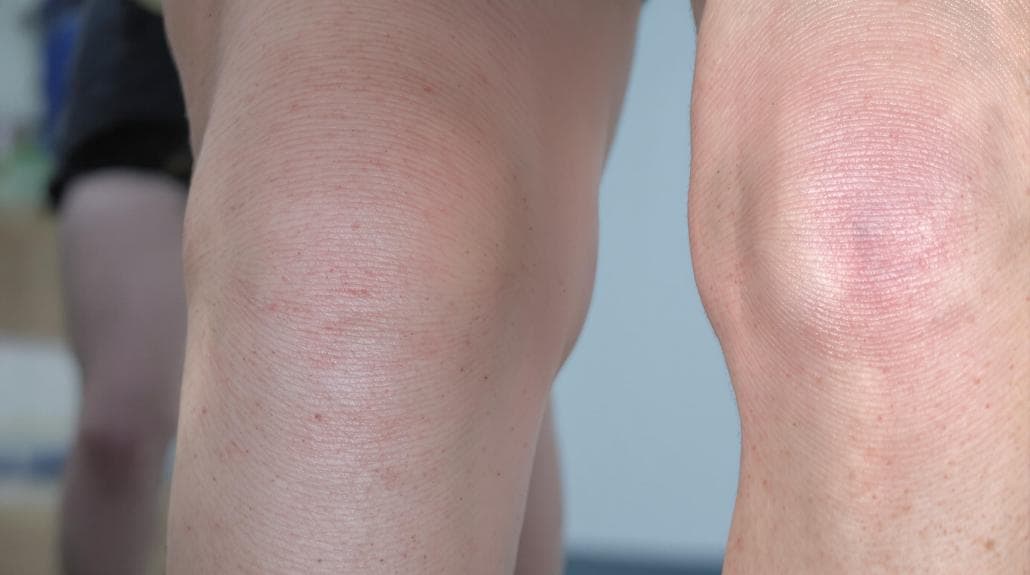
Understanding your risk factors for knee pain can help you take preventive measures before problems arise. While some factors like age and genetics are beyond your control, others can be managed through lifestyle changes. If you're overweight, smoke, or work in a physically demanding job that involves frequent squatting or heavy lifting, you're at higher risk for developing knee problems. Improper stretching before exercise can significantly increase your risk of knee trauma.
Watch for these warning signals that indicate it's time to see a doctor:
- Persistent pain lasting more than three months
- Sudden swelling, redness, or warmth around the knee
- Instability or a feeling that your knee might "give out"
- Difficulty bending or straightening your knee
- Pain that interferes with daily activities or sleep
You'll also want to pay attention if you have underlying conditions that can affect your knees, such as:
- Osteoarthritis
- Gout
- Rheumatoid arthritis
- Recent injuries or trauma
- Family history of joint problems
Don't ignore these signs, especially if you have multiple risk factors. Early intervention can prevent minor issues from developing into serious conditions that require more extensive treatment.
Key Physical Changes to Watch
Identifying physical changes in your knee can help you determine when medical attention is necessary. Watch for visible deformities like misshapen joints, swelling, or unusual bony protrusions that make one knee look different from the other.
Pay attention to changes in how your knee functions. If you're developing a limp, experiencing instability when walking, or can't put weight on your leg, these are serious signs that shouldn't be ignored. Putting excess weight on your knees can create up to 10x pressure during activities. You might also notice your knee locking up or having a reduced range of motion that affects daily activities.
Key physical changes to monitor include:
- Tenderness, warmth, or redness around the joint
- Pain that worsens with weight-bearing activities
- Nighttime pain that disrupts sleep
- Weakness in the muscles surrounding your knee
- Decreased sensation in the knee area
Your ability to perform routine tasks may become limited. If you're struggling with stairs, having difficulty squatting, or finding yourself relying on assistive devices like canes or walkers, it's time to consult a healthcare provider. These changes can signal underlying conditions that require professional evaluation.
Treatment Options and Medical Assessment
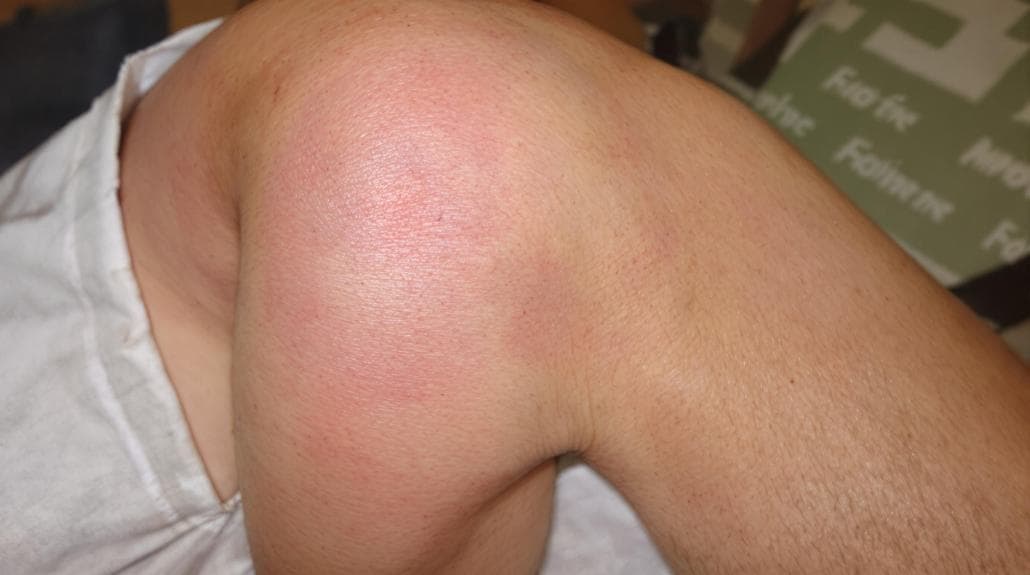
Once you've identified concerning physical changes in your knee, seeking proper medical assessment will help determine the most effective treatment plan. Your doctor will evaluate factors like your age, pain location, and symptoms while performing essential tests to pinpoint the underlying cause.
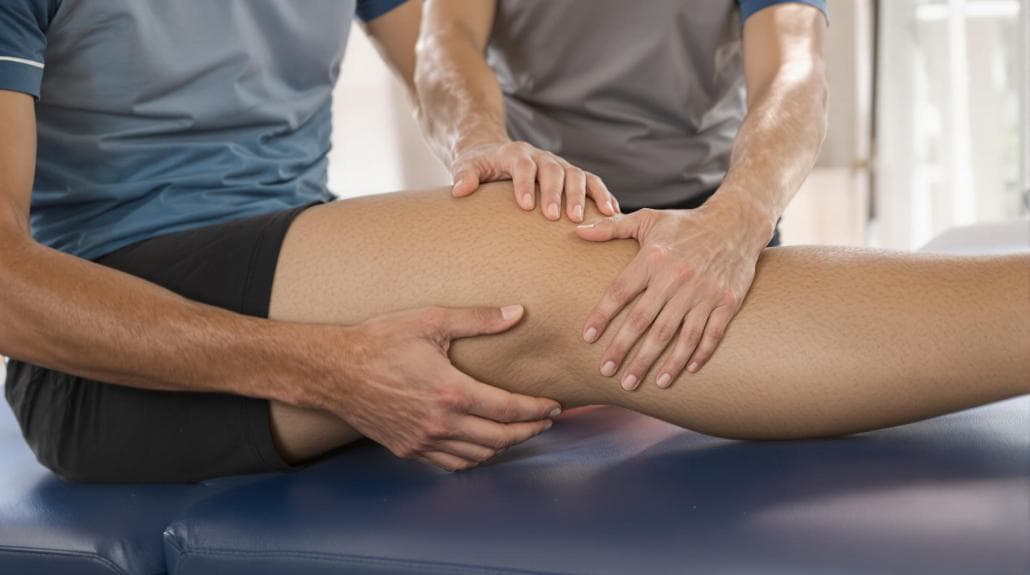
During your visit, expect a thorough examination including range of motion tests and special assessments like the McMurray test. Your doctor may order diagnostic tests such as X-rays to check for fractures, or an MRI to identify soft tissue injuries. Blood work might be necessary to rule out systemic conditions. Licensed physical therapists can provide more effective treatment outcomes compared to self-directed exercises.
Treatment options typically start with conservative approaches:
- Physical therapy to strengthen muscles and improve mobility
- NSAIDs to reduce pain and inflammation
- Corticosteroid or hyaluronic acid injections for pain relief
- Lifestyle modifications, including weight management
If conservative treatments don't provide relief, surgical options might be considered:
- Arthroscopic surgery for minor repairs
- Nerve blocks or stimulation for pain management
- Osteotomy to redistribute weight-bearing load
- Total knee replacement for severe cases
Your doctor will work with you to create a personalized treatment plan based on your specific diagnosis, lifestyle, and goals.
Daily Activities Impact Alert
While many daily activities can trigger knee pain, knowing which movements pose risks helps you stay active without causing harm. Pay close attention to how your knees react during common tasks like climbing stairs, getting up from a chair, or bending to pick something up. These everyday movements can signal when it's time to see a doctor.
You shouldn't ignore warning signs that emerge during daily activities. Long-term discomfort that persists for more than three weeks requires medical evaluation. If you're developing a limp, shifting weight to avoid pain, or finding it difficult to bear weight on your knee, it's time to seek medical attention. Watch for knee instability or wobbling when you walk, as these symptoms require professional evaluation.
Here are key activities that may trigger knee pain:
- Climbing stairs or steps
- Deep squatting or kneeling
- Sports with quick directional changes
- Walking on flat surfaces
- Cycling with an improperly adjusted seat
Frequently Asked Questions
Can Knee Pain During Pregnancy Be a Sign of Complications?
While knee pain is typically normal during pregnancy due to weight gain and hormones, you'll want to consult your doctor if you experience severe pain, swelling, redness, or mobility issues.
How Long Should I Wait After Knee Surgery Before Driving?
You'll need to wait 2-6 weeks before driving, depending on which knee had surgery. For right knee replacement, wait at least 4 weeks. Left knee allows earlier driving with automatic transmission.
Does Weather Actually Affect Knee Pain and Arthritis Symptoms?
Your knee pain might be affected by weather, but research is mixed. While some people report weather-related symptoms, scientific studies haven't found consistent evidence linking weather to arthritis pain.
Are Supplements Like Glucosamine and Chondroitin Effective for Knee Pain?
You'll find mixed evidence for glucosamine and chondroitin's effectiveness. While some studies show they help with moderate to severe knee pain, others don't. Consider trying prescription-grade glucosamine sulfate.
Can Being Overweight Cause Permanent Damage to Knee Joints Over Time?
Yes, excess weight can permanently damage your knee joints since every pound adds 4-6 pounds of pressure, accelerating cartilage wear, causing arthritis, and potentially requiring joint replacement surgery.
Related Posts

Our bodies react to cold weather in surprising ways, causing knee pain through pressure changes and
Overcome chronic knee pain with proven strategies and daily techniques that transform your mobility

Jumping, running, or even walking can trigger knee pain – but which daily habits are secretly damagi