Over-the-Counter Medications for Knee Pain: What Works?
Kyle
8 min read

You've got several effective over-the-counter options for knee pain relief. NSAIDs like ibuprofen and naproxen work well for both pain and inflammation, while acetaminophen helps with pain alone. For targeted relief, consider topical treatments like diclofenac gel, lidocaine patches, or creams containing capsaicin or menthol. It's safe to combine oral medications with topical treatments for enhanced results, but always follow dosage guidelines and avoid using multiple products with the same active ingredient. Understanding proper usage and exploring different treatment combinations can lead to ideal pain management strategies.
Understanding Common Knee Pain Issues
Because knee pain can stem from various sources, understanding the root cause is essential for effective treatment. You'll likely encounter one of several common issues that affect the knee joint, ranging from injuries and trauma to inflammatory conditions. Accurate diagnosis is crucial for determining the most appropriate treatment approach. Inflammation of the joint lining can significantly contribute to the pain and discomfort experienced in different knee conditions.
If you've experienced a sudden injury, you might be dealing with sprains, strains, or tears in your knee's ligaments or muscles. These often occur during sports or accidents and can cause immediate pain and swelling. You'll notice difficulty walking or putting weight on the affected leg. Wearing protective knee braces may help stabilize the joint during recovery.
Chronic conditions like osteoarthritis and rheumatoid arthritis can develop over time, especially as you age. These conditions typically cause:
- Persistent pain and stiffness
- Reduced range of motion
- Swelling around the joint
- Difficulty with daily activities
You might also experience mechanical problems like patellar tendinitis or iliotibial band syndrome, particularly if you're active in sports. These issues often result from overuse or poor biomechanics. Watch for signs like:
- Pain during specific movements
- Catching or locking sensations
- Weakness or instability in the knee
- Inflammation around the joint area
Oral Pain Relief Options
Once you've identified the source of your knee pain, several over-the-counter medications can help manage your symptoms. Regular monitoring of your pain levels and medication response helps determine if adjustments are needed in your treatment plan. The most common options include NSAIDs like ibuprofen (Advil) and naproxen sodium (Aleve), which work to reduce both pain and inflammation. You'll also find acetaminophen (Tylenol), which effectively relieves mild to moderate pain but doesn't address inflammation. Knee joint health plays a crucial role in managing chronic pain and selecting appropriate medication strategies. Lifestyle modifications can complement medication strategies in managing chronic knee pain.
When choosing pain relievers, consider these key points:
- NSAIDs are great for short-term use but shouldn't be taken long-term without your doctor's guidance due to potential heart, kidney, and stomach risks
- Acetaminophen is generally safe for most people but don't exceed 3,000 mg daily
- You can combine certain medications for better relief – acetaminophen with tramadol often works well for knee osteoarthritis
If over-the-counter options aren't providing enough relief, your doctor might recommend prescription-strength NSAIDs or other medications like duloxetine (Cymbalta) or tramadol (Ultram). Remember to track how much medication you're taking and discuss any long-term use with your healthcare provider to ascertain you're using these medications safely and effectively.
Topical Treatments Available
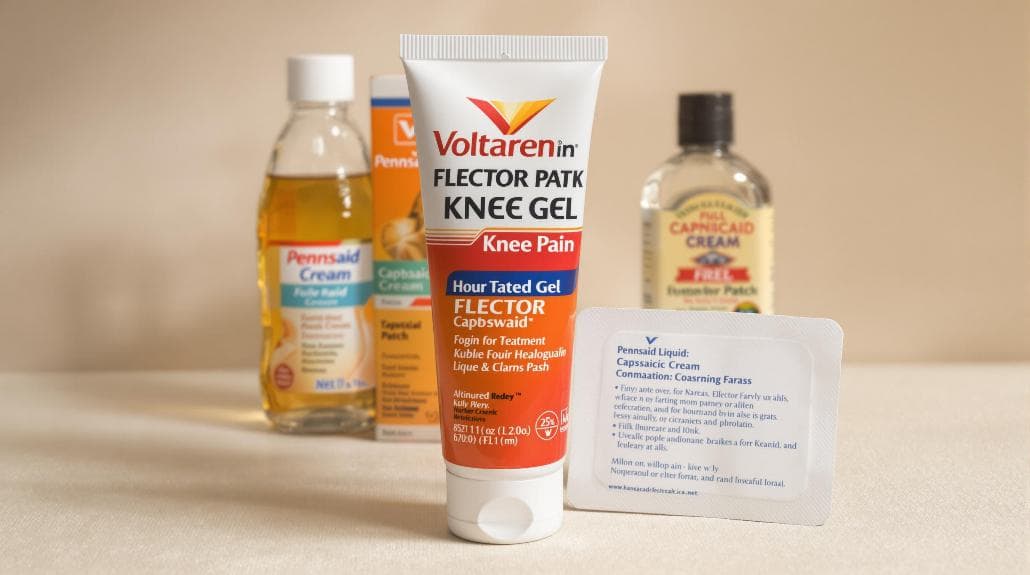
While oral medications offer systemic relief, topical treatments provide a targeted approach to knee pain management. You'll find several effective options available over the counter, with NSAIDs like diclofenac (Voltaren) leading the way. These gels and patches work directly at the site of pain, offering relief with fewer side effects than oral medications. Many patients find price comparison shopping helps identify the most affordable options.
For immediate numbness, you can try lidocaine patches, which temporarily block pain signals. They're particularly useful when you need quick relief for specific activities. Another option is capsaicin-based creams, which work by disrupting pain signals to your nerves. While they may cause initial burning sensations, regular use often leads to significant pain reduction within two weeks.
Don't overlook traditional counterirritants containing menthol or camphor. Though they don't eliminate pain, they can help by creating a cooling or warming sensation that distracts from discomfort. For best results, you might want to combine topical treatments with other management strategies like exercise and weight management. Remember to always wash your hands after applying these products and avoid using them on broken skin.
Safety Considerations When Choosing Medication
Although over-the-counter medications offer accessible pain relief, they require careful consideration to prevent serious health complications. When choosing medication for your knee pain, it's essential to understand that common painkillers like NSAIDs and acetaminophen can pose significant risks if not used properly. Studies show that 90% of Americans regularly rely on OTC pain relievers.
Here are important safety guidelines to follow:
- Never exceed the recommended daily dosage
- Don't combine multiple products containing the same active ingredient
- Start with the lowest effective dose
- Keep track of all medications you're taking
If you're using NSAIDs like ibuprofen or naproxen, you'll need to be particularly cautious about long-term use. These medications can increase your risk of stomach ulcers, bleeding, and even heart problems. For acetaminophen users, it's important to check all your other medications, as this ingredient appears in over 6,000 products.
Before starting any pain medication regimen, you should:
- Consult with your healthcare provider about existing conditions
- Review potential interactions with other medications
- Consider alternative treatments like physical therapy
- Monitor your body's response to the medication
Natural and Alternative Relief Methods

Beyond conventional medications, natural remedies and alternative treatments can provide effective relief for knee pain without the risks associated with pharmaceutical options. You'll find several effective natural ingredients that can help manage your discomfort, including ginger, turmeric, and cayenne pepper, which all possess anti-inflammatory properties. Cayenne pepper's active compound capsaicin stimulates circulation when applied topically to the affected area.
Consider incorporating these natural remedies into your daily routine:
- Mix turmeric with warm milk for a soothing drink
- Add ginger to your tea or meals
- Use coconut oil for gentle massage
- Try Epsom salt soaks for inflammation relief
Alternative therapies can complement these natural approaches. Physical therapy and low-impact exercises strengthen the muscles supporting your knees, while acupuncture may provide additional pain relief. Weight management plays a significant role in reducing pressure on your joints.
You can also make simple lifestyle adjustments:
- Wear proper knee support during activities
- Focus on anti-inflammatory foods
- Practice gentle daily exercises
- Use aromatherapy for pain management
Remember to combine these natural methods with appropriate lifestyle changes for the best results in managing your knee pain.
Combining Treatment Strategies
Managing knee pain effectively often requires a multi-faceted approach that combines different treatment strategies. You'll likely find the best relief by mixing various treatment methods rather than relying on a single solution. The maximum daily dose of acetaminophen should not exceed 4,000 mg when combining with other treatments.
When combining treatments, you can pair oral medications with topical solutions for enhanced relief. For example, you might take an OTC NSAID like ibuprofen while also applying a topical cream containing capsaicin. Just be sure to check with your healthcare provider about combining specific medications.
Here's how you can create an effective combination strategy:
- Pair physical therapy exercises with appropriate pain relievers
- Apply ice after activity while using anti-inflammatory medications
- Use topical treatments during the day and oral medications at night
- Combine weight management efforts with proper pain management
For more severe cases, you might work with your doctor to integrate injection treatments with your existing medication routine. Remember that hydrocortisone injections shouldn't exceed four times yearly, and they work best when combined with other therapeutic approaches like physical therapy and weight management programs.
Always start with conservative treatment combinations before moving to more aggressive options.
Frequently Asked Questions
Can I Take NSAIDS if I'm Already on Blood Pressure Medication?
You shouldn't take NSAIDs without consulting your doctor first. They can interfere with your blood pressure medications, raise your blood pressure, and increase your risk of kidney damage.
How Long Should I Wait Between Taking Different Types of Pain Relievers?
You can switch to a different type of pain reliever after one hour if the first one doesn't help. Always wait 4-6 hours before taking another dose of the same medication.
Will Long-Term Use of Topical NSAIDS Stain or Damage My Clothing?
You don't need to worry about clothing damage from topical NSAIDs. They won't cause permanent stains, and any residue from the base ingredients can be removed with regular laundering.
Can I Use Knee Pain Medications Before Exercising to Prevent Pain?
You shouldn't take pain medications before exercise as a preventive measure. It's risky, could mask injury signals, and may lead to dependency. Instead, work with your doctor to address underlying causes.
Should I Take Pain Relievers With Food Even if the Label Doesn't Specify?
You'll generally want to take pain relievers with food to reduce stomach upset and improve absorption, unless specifically directed otherwise. It's a safe practice that helps minimize gastrointestinal side effects.
Related Posts

Our bodies react to cold weather in surprising ways, causing knee pain through pressure changes and
Overcome chronic knee pain with proven strategies and daily techniques that transform your mobility

Jumping, running, or even walking can trigger knee pain – but which daily habits are secretly damagi