What Are Opioid Abuse Warning Signs?
Darryl Mitchell
6 min read
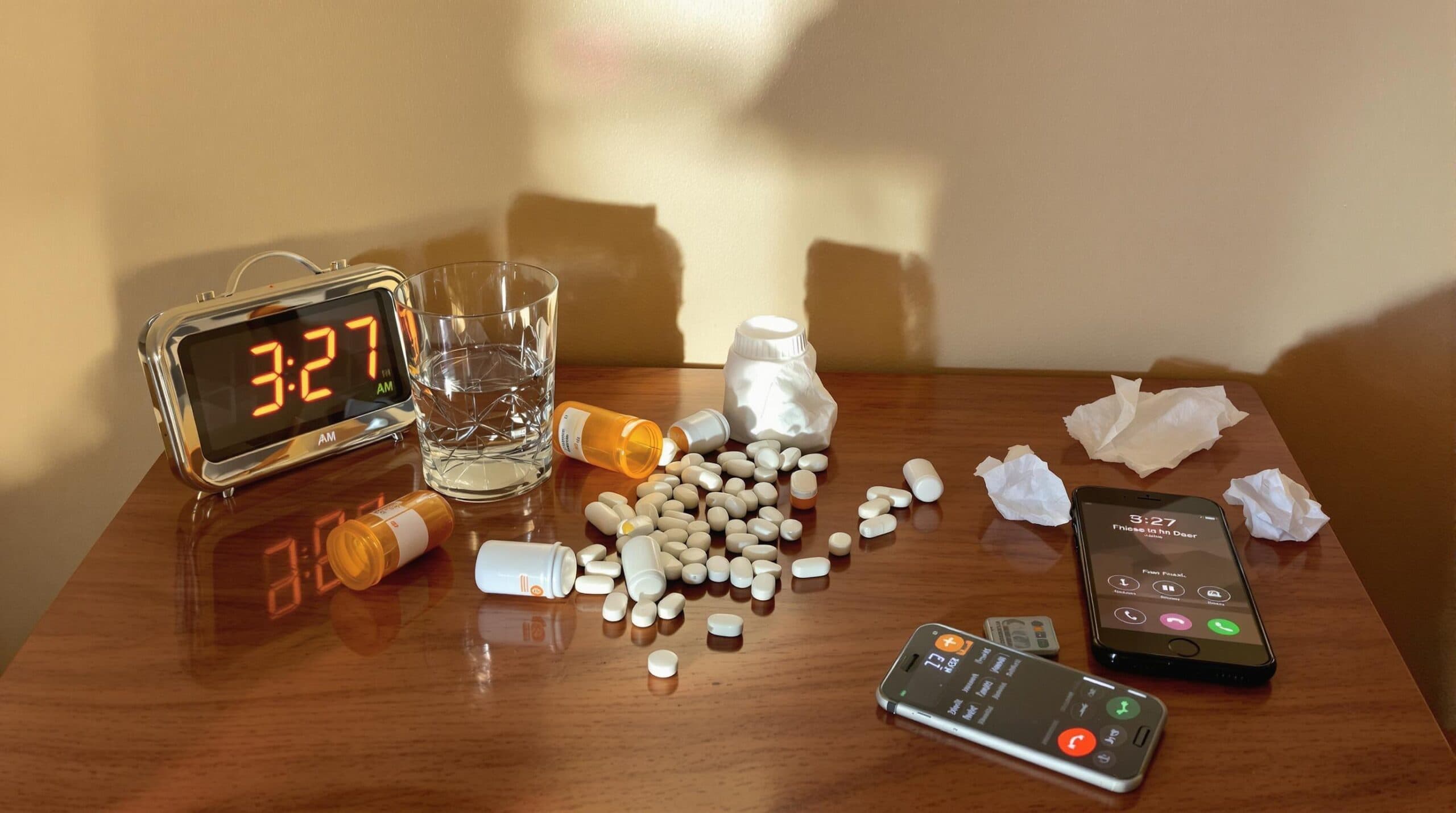
You can spot opioid abuse through key warning signs in multiple areas. Physical symptoms include unusually small pupils, shallow breathing, and drowsiness. Behavioral changes often show up as increased secrecy, declining performance, and social withdrawal. Watch for psychological signs like mood swings, anxiety, and preoccupation with obtaining drugs. Additional indicators include doctor shopping, combining substances, and unexplained financial problems. Understanding these patterns helps identify abuse early.
Key Takeaways
- Constricted pupils during use and dilated pupils during withdrawal, coupled with shallow breathing and decreased heart rate.
- Frequent drowsiness, unsteady walking, and sudden mood swings between euphoria and irritability.
- Increased secrecy about activities, lying about whereabouts, and avoiding previously enjoyed social interactions.
- Physical symptoms include cold or clammy skin, alternating constipation and diarrhea, and frequent nausea.
- Declining performance at work or school, combined with seeking multiple prescriptions from different doctors.
Understanding Physical Signs of Opioid Abuse
Vigilance in recognizing the physical signs of opioid abuse can mean the difference between life and death.
When someone’s using opioids, you’ll notice their pupils become unusually small, while during withdrawal, they’ll appear enlarged. Their breathing often becomes shallow and slow, accompanied by a decreased heart rate.
Pinpoint pupils during opioid use and dilated pupils in withdrawal can indicate abuse, along with dangerously slowed breathing patterns.
Watch for signs of drowsiness, unsteady walking, or sudden loss of consciousness. You might observe someone alternating between constipation and diarrhea, along with frequent nausea or vomiting.
Regular use of opioids can lead to physical dependence within weeks. Their skin may feel cold and clammy during an overdose, or they might sweat profusely during withdrawal.
Look for needle marks or inflamed injection sites on arms or legs. During an overdose, you’ll notice blue-tinted skin, lips, or fingernails – a critical warning sign requiring immediate medical attention.
Behavioral Changes That Signal Addiction
When someone develops an opioid addiction, you’ll notice significant shifts in their behavior and social interactions. They may become increasingly secretive, defensive about their activities, and withdraw from family and friends.
Their performance at work or school often declines as they prioritize drug use over responsibilities. Individuals struggling with addiction frequently fail to fulfill obligations at home and in professional settings.
Look for these key behavioral warning signs:
- Lying about whereabouts and making excuses for missing obligations
- Stealing prescriptions or valuables to obtain drugs
- Avoiding social activities and changing friend groups suddenly
- Taking unnecessary risks, like driving while impaired
You might also observe them becoming manipulative to obtain drugs, having frequent mood swings, and engaging in risky behaviors they’d normally avoid. Medication-assisted treatment can help stabilize brain chemistry and reduce these destructive behavioral patterns.
These changes often signal a growing dependence that requires professional intervention.
Psychological and Emotional Warning Signs
Beyond outward behavioral changes, opioid addiction manifests through distinct psychological and emotional warning signs that you’ll need to recognize.
You’ll notice rapid mood swings between euphoria and irritability, along with an increasing preoccupation with obtaining drugs despite negative consequences.
Watch for signs of social withdrawal, defensiveness about drug use, and difficulty maintaining responsibilities at work or school.
Social isolation, denial about substance use, and struggling with daily duties are key indicators of developing opioid dependency.
Mental changes often include impaired decision-making, memory problems, and trouble concentrating.
You might observe heightened anxiety when access to opioids is restricted, followed by relief-seeking behaviors that grow more intense over time.
Depression, aggressive outbursts, or paranoia can develop, especially during withdrawal periods. Individuals may experience emotional instability that severely impacts their personal relationships.
These psychological symptoms typically worsen as the addiction progresses, making early recognition essential for intervention.
Identifying Advanced Symptoms and Patterns
Recognizing advanced symptoms of opioid abuse requires understanding key behavioral changes and physical warning signs that indicate escalating dependence. As opioid use intensifies, you’ll notice distinct patterns that signal serious concerns, including social withdrawal and deteriorating personal responsibilities.
Prescription opioids are powerful medications that require careful monitoring to prevent misuse and addiction. Watch for these critical indicators:
- Seeking multiple prescriptions from different doctors while hiding this behavior
- Experiencing withdrawal symptoms like sweating and muscle aches when opioids aren’t available
- Combining opioids with other substances like alcohol or anxiety medications
- Showing increased tolerance that leads to taking higher doses for the same effect
These advanced warning signs often appear alongside declining work performance, financial problems, and strained relationships. Physical dependence typically develops after 4-8 weeks of regular opioid use.
You might also notice the person becoming defensive when questioned about their medication use or displaying signs of physical dependence like persistent drowsiness and constipation.
Recognizing Opioid Abuse in Young Adults
Young adults who struggle with opioid abuse often display a distinct combination of warning signs that parents, teachers, and friends can learn to identify.
If you notice sudden changes in someone’s social circle, along with declining grades or work performance, these could indicate potential abuse.
Watch for physical signs like pinpoint pupils, unusual drowsiness, or wearing long sleeves regardless of weather.
You’ll also want to note any unexplained financial problems, missing valuables, or frequent requests to borrow money.
Additional red flags include mood swings, social withdrawal, and heightened anxiety without clear cause.
Pay attention if someone’s previously enjoyed activities are replaced with secretive behaviors, or if they’re frequently missing obligations at school or work. Users may develop increased drug tolerance over time, requiring larger doses to achieve the same effects.
Frequently Asked Questions
How Long Does It Take for Opioid Addiction to Develop?
You can develop physical opioid dependency within 1-3 days of heavy use. The path to addiction varies but can happen quickly, especially with frequent use or high doses.
Can Someone Be Addicted to Opioids Without Showing Physical Symptoms?
Yes, you can be addicted to opioids without physical symptoms. You’ll often show behavioral signs first, like isolation, mood changes, or drug-seeking behavior, even before withdrawal symptoms become apparent.
What’s the Success Rate for Opioid Addiction Recovery?
You’ll find success rates vary: 40-60% experience relapse, but with medication-assisted treatment and ongoing support, your chances improve. About 75% of people ultimately achieve recovery through multiple treatment attempts.
Are Prescription Opioids Less Addictive Than Illegal Ones?
Don’t assume prescription opioids are safer. They’re chemically similar to illegal opioids, carrying the same addiction potential. Your brain can’t tell the difference – both activate the same reward pathways and risk dependence.
How Can Families Support Someone Seeking Treatment for Opioid Addiction?
You’ll need to provide emotional support, help arrange treatment programs, join family therapy sessions, establish clear boundaries, and take care of your own mental health while supporting their recovery journey.
References
- https://www.health.ny.gov/community/opioid_epidemic/signs.htm
- https://www.kenoshacounty.org/2305/Recognizing-the-Warning-Signs-of-Substan
- https://nida.nih.gov/sites/default/files/RecognizingOpioidAbuse.pdf
- https://oasas.ny.gov/warning-signs
- https://www.mayoclinic.org/diseases-conditions/drug-addiction/symptoms-causes/syc-20365112
- https://www.vantagepointnwa.com/addiction/opiate/causes-effects/
- https://www.cdc.gov/overdose-prevention/media/pdfs/Signs-of-Opioid-Misuse-Opioid-Use-Order-and-Overdose_508compliant.pdf
- https://www.hopkinsmedicine.org/health/conditions-and-diseases/opioid-use-disorder
- https://my.clevelandclinic.org/health/diseases/24257-opioid-use-disorder-oud
- https://www.michiganmedicine.org/health-lab/how-spot-signs-opioid-addiction
Related Posts

Opioids are powerful medications that reduce pain by binding to specific receptors in your brain and

Medication-assisted treatment (MAT) works by using FDA-approved medications that target your brain's