Can Sudden Knee Pain Be Prevented?
Darryl Mitchell
8 min read
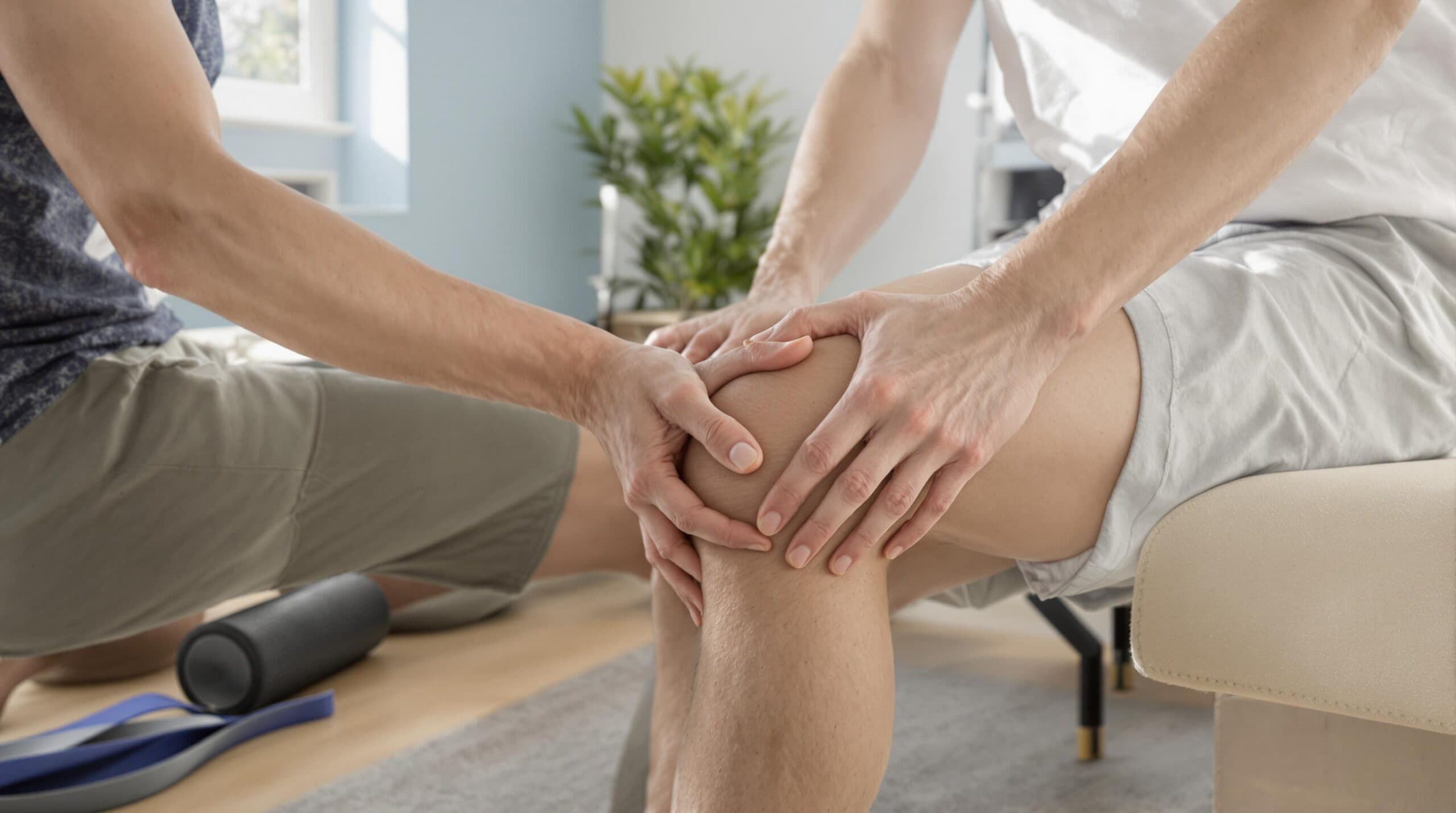
You can prevent most cases of sudden knee pain through proper body mechanics, regular exercise, and early intervention. Focus on maintaining strong leg muscles, wearing supportive footwear, and using correct form during physical activities. Daily stretches, particularly for your quads and hamstrings, help guarantee proper knee function. When you notice minor discomfort, take immediate action with rest and ice. Understanding prevention strategies will help you maintain healthy, pain-free knees.
Key Takeaways
- Regular stretching of quadriceps, hamstrings, and calves helps maintain knee flexibility and reduces the risk of sudden pain.
- Wearing proper supportive footwear with good cushioning prevents stress on knee joints during daily activities.
- Strengthening knee stabilizers through resistance training and low-impact exercises helps protect against unexpected knee injuries.
- Maintaining proper form and body mechanics during physical activities significantly reduces the likelihood of sudden knee trauma.
- Following safe exercise practices and gradually increasing activity intensity prevents overuse injuries that can cause sudden pain.
Understanding Common Causes of Sudden Knee Pain
While sudden knee pain can arise from many sources, understanding the common causes helps you identify potential issues and seek appropriate treatment.
Common traumatic causes include ACL/PCL tears from sudden twisting, meniscus tears from tackles, and fractures from direct impacts. You'll often experience immediate pain and instability with these injuries.
Traumatic knee injuries strike without warning – from ligament tears to fractures – leaving you with instant pain and unstable joints.
Structural issues like patellar tracking dysfunction or Baker's cysts can trigger unexpected pain, especially during movement. These conditions frequently restrict knee mobility when inflammation builds up.
If you're active in sports, overuse conditions like tendinitis or runner's knee might develop gradually but feel sudden when they peak.
Age-related problems, particularly osteoarthritis, can cause unexpected sharp pain when cartilage breaks down.
Inflammatory conditions, such as gout or infections, may also lead to sudden knee pain accompanied by swelling and warmth.
Essential Stretches and Exercises for Knee Health
Now that you understand what causes sudden knee pain, you can take steps to prevent it through targeted stretches and exercises.
Your daily routine should include quad stretches to maintain proper kneecap movement and hamstring stretches to reduce muscle tension imbalances.
Don't forget to incorporate calf stretches and heel slides to improve joint lubrication and flexibility.
2 often develop personalized exercise plans to address individual mobility needs and limitations.For best results, you'll want to use support tools like towels and chairs during your stretches.
Try the towel-assisted heel slide for passive knee flexion if you're experiencing stiffness.
You can also add resistance band training to strengthen your knee stabilizers.
Early intervention with exercises and stretches can help make recovery much easier if knee problems develop.
Remember to perform these exercises consistently and progress gradually to more advanced movements as your mobility improves.
The Role of Proper Footwear in Preventing Knee Issues
Choosing proper footwear plays an essential role in protecting your knees from sudden pain and injury. Your shoes need stability features to prevent excessive foot rolling, adequate cushioning for shock absorption, and proper arch support to maintain foot alignment. Activity-specific shoes are crucial for preventing knee strain during different types of exercise and movement.
Studies show that thick-soled shoes outperform flexible ones in reducing knee pain, with a 58% improvement rate compared to 40%.
- Don't wait until your shoes are visibly worn – replace them every 6-12 months to maintain vital knee protection
- Avoid high heels, which force your knees to bear up to 25% more pressure
- Check that your shoes have enough toe space (1/2 inch) to prevent gait issues
- Consider specialized footwear for different activities to address specific stress patterns
Daily Habits That Protect Your Knees
Three key areas of daily habits can markedly protect your knees from injury and pain.
First, maintain proper body mechanics by keeping a neutral spine when sitting and standing, and use correct lifting techniques. Don't twist while carrying heavy items, and take regular breaks from prolonged sitting. Take 10 minutes twice daily for gentle movement to keep joints flexible and reduce stiffness.
Protect your joints by maintaining good posture and smart lifting habits. Your knees will thank you for these simple daily choices.
Second, focus on your nutrition by eating anti-inflammatory foods and staying well-hydrated. You'll want to keep your weight in check since each extra pound adds significant stress to your knees. Choose fruits, vegetables, and healthy oils while limiting refined sugars. Consider incorporating 2 as part of a comprehensive pain management strategy.
Third, engage in appropriate exercise by selecting low-impact activities like swimming or cycling. Remember to warm up before workouts, strengthen the muscles around your knees, and include rest days for recovery.
When exercising, avoid high-impact movements that could strain your joints.
Warning Signs to Watch For
Recognizing early warning signs can help prevent serious knee injuries and complications. When you notice persistent swelling, joint instability, or pain that doesn't improve with rest, it's essential to seek medical attention.
Watch for warmth and redness around the joint, especially if accompanied by fever, as these may indicate infection. Medical assessment within 48 hours is crucial if you experience severe knee pain while exercising.
- You're experiencing sudden severe swelling with intense pain that makes walking impossible.
- Your knee feels unstable or "gives way" during normal activities.
- You hear popping sounds followed by immediate weakness in the joint.
- You have constant pain that disrupts sleep and doesn't respond to over-the-counter medication.
Paying attention to these warning signs and addressing them promptly can prevent long-term damage and maintain your knee health.
Early intervention is particularly important if you notice multiple symptoms occurring simultaneously.
Dietary Choices for Strong Joints
A healthy diet plays an essential role in maintaining strong, pain-free knees and joints. You'll want to include foods rich in omega-3 fatty acids, like salmon and walnuts, which help reduce inflammation.
Dairy products, leafy greens, and fortified milk provide essential calcium for bone strength, while vitamin C-rich foods like berries and citrus fruits support collagen production.
Don't forget to incorporate anti-inflammatory spices into your meals. Turmeric and ginger can be as effective as some pain medications in reducing joint inflammation.
Protein sources like lean poultry, bone broth, and legumes help maintain cartilage health. Green tea and extra virgin olive oil offer additional protection through their antioxidant properties, which help prevent cartilage damage and support bone formation.
Safe Exercise Guidelines for Knee Protection
While maintaining an active lifestyle is important, choosing the right types of exercise can make a significant difference in protecting your knees from sudden pain and injury.
Select low-impact activities like swimming, cycling, or using an elliptical machine to minimize stress on your joints. Strengthen supportive muscles through controlled exercises like leg raises and hamstring curls to provide better knee stability.
- You'll feel more confident knowing your exercise choices actively protect your knees
- You can stay active without worrying about damaging your joints
- You'll build strength safely while avoiding unnecessary risks
- Your knees will thank you for choosing gentle, effective movements
Focus on partial squats and step-ups with proper form, and consider water aerobics for cardiovascular benefits without joint strain.
Immediate Actions When Knee Pain Strikes
When sudden knee pain strikes, taking immediate action can prevent further injury and speed up recovery.
First, stop any activity that's causing pain and rest your knee immediately. Apply ice wrapped in a cloth for 15-20 minutes every hour initially, then reduce to every 3-4 hours.
Use an elastic bandage for compression and keep your knee elevated above heart level while resting. You can take over-the-counter anti-inflammatory medications like ibuprofen for temporary relief, but don't rely on them long-term.
If you experience severe swelling, can't bear weight on the affected leg, or develop a fever, seek medical attention right away. These symptoms could indicate a serious condition that requires professional evaluation and treatment.
Long-Term Strategies for Knee Health Maintenance
Maintaining healthy knees throughout your life requires a consistent commitment to proper exercise and movement patterns. You'll want to focus on low-impact activities that strengthen your joints while avoiding unnecessary stress. Swimming, cycling, and walking serve as excellent options for building endurance and maintaining mobility without overloading your knees.
- Start with gentle knee-strengthening exercises like squats and lunges to build a strong foundation.
- Practice proper form during all activities to protect your knee joints from injury.
- Choose appropriate footwear that supports your natural gait and cushions impact.
- Listen to your body and adjust your exercise intensity when needed.
Remember to incorporate regular strength training exercises targeting your knee joints and surrounding muscles to maintain ideal joint function and stability.
Can Lower Back Pain Contribute to Sudden Knee Pain?
Can lower back pain contribute to sudden knee pain? Yes, understanding sudden lower back pain reveals that nerve irritation or muscle compensation from the lower back can affect knee biomechanics. This connection between the two areas highlights the importance of addressing lower back issues to alleviate unexpected knee discomfort effectively.
Frequently Asked Questions
How Do Knee Braces Compare to Kinesiology Tape for Preventing Knee Pain?
You'll get better stability and protection from knee braces versus k-tape, especially during high-impact activities. Braces offer stronger mechanical support, while tape mainly helps with minor pain and movement awareness.
Can Weather Changes Affect the Likelihood of Developing Sudden Knee Pain?
Yes, weather changes can trigger your knee pain through dropping barometric pressure and cold temperatures. They'll make your joints swell, stiffen synovial fluid, and reduce circulation to your knees.
Are Certain Occupations More Likely to Cause Sudden Knee Problems?
You're at higher risk if you're in jobs requiring heavy lifting, prolonged kneeling, or repetitive motions. Construction, mining, housekeeping, and farming roles especially increase your chances of knee problems.
Does Family History Play a Significant Role in Knee Pain Vulnerability?
Your family history greatly impacts your knee pain risk, as genetic factors influence joint structure, cartilage strength, and arthritis susceptibility. You'll need extra preventive care if relatives have knee issues.
Can Supplements Other Than Glucosamine Help Prevent Sudden Knee Pain?
You can reduce knee pain risk with supplements like turmeric, fish oil, MSM, and Boswellia. They work by fighting inflammation, supporting cartilage health, and improving joint mobility naturally.
References
- https://www.betterhealth.vic.gov.au/health/conditionsandtreatments/knee-injuries
- https://www.henryford.com/blog/2021/06/knee-preservation
- https://www.medicalnewstoday.com/articles/sudden-knee-pain
- https://www.health.harvard.edu/pain/take-control-of-your-knee-pain
- https://www.hss.edu/article_stretches-exercises-knee-pain.asp
- https://www.orthohealth.com/knee-pain-without-injury/
- https://ethoshealthgroup.com/11-causes-of-sudden-knee-pain/
- https://www.mountsinai.org/health-library/symptoms/knee-pain
- https://www.hss.edu/condition-list_knee.asp
- https://www.hingehealth.com/resources/articles/knee-mobility-exercises/
Related Posts

Fibromyalgia is a chronic condition that affects your nervous system, causing widespread pain, fatig

Yes, your back pain can strike suddenly due to various triggers like improper lifting, unexpected tw

You'll encounter five main types of pain: somatic pain affects specific body areas with sharp or ach