Ergonomic Adjustments for Drivers: Preventing Knee Pain in the Car
Kyle
8 min read
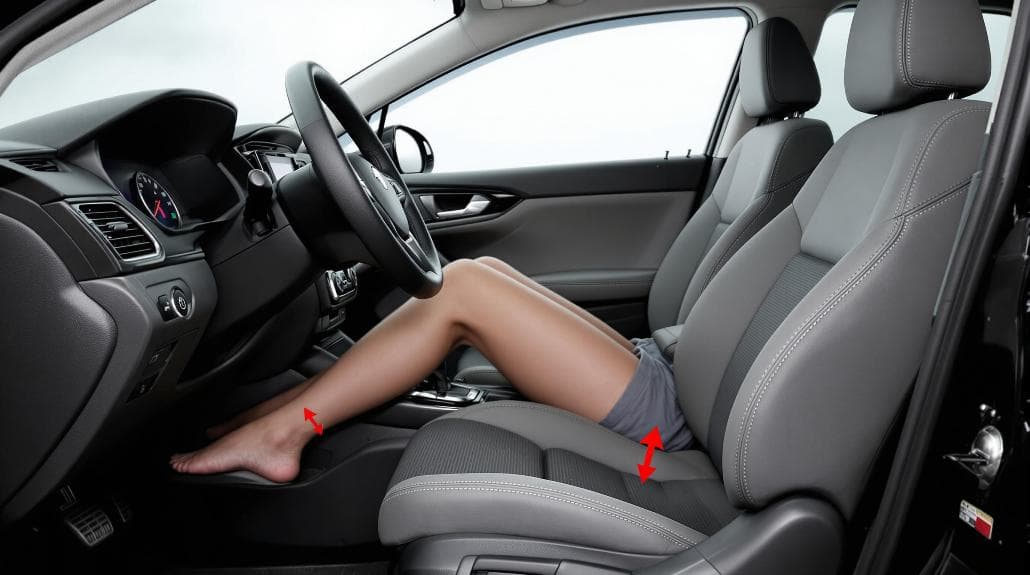
You can prevent knee pain while driving by making key ergonomic adjustments to your vehicle setup. Start by positioning your seat height so your hips are slightly higher than your knees, with a 2-3 finger gap between your knees and the seat edge. Adjust your backrest to recline at 100-110 degrees and keep the steering wheel 10-12 inches from your chest. Take regular breaks during long drives, wear supportive footwear with good arch support, and use cruise control when possible to reduce strain. Proper positioning combined with strategic rest periods will help protect your knees and enhance your overall driving comfort for years to come. Additionally, consider using a cushion or seat pad designed for ergonomic support, which can further alleviate pressure on your knees. Exploring various knee pain while driving solutions like adjusting the angle of your pedals can also contribute to a more comfortable driving experience. By implementing these strategies, you’ll not only find relief but also promote better posture and reduce the risk of long-term discomfort.
Understanding Common Driving Knee Issues
When you spend long hours behind the wheel, your knees can take a significant toll from repetitive motions and prolonged sitting. The constant movement of pressing pedals, combined with limited mobility in a confined space, can lead to various knee problems that shouldn't be ignored. Being taller than average while driving can intensify knee strain due to increased joint bending. Proper seat positioning can help reduce the risk of developing chronic knee issues during long driving sessions.
Additionally, ergonomic seat adjustments can help distribute body weight more evenly and reduce knee stress during extended driving periods.
You'll often notice the first signs of driving-related knee issues through specific symptoms:
- Pain around your kneecap, especially after long drives
- Stiffness when you first step out of your vehicle
- A grinding or popping sensation during knee movement
- Swelling and tenderness that worsens throughout the day
Pre-existing conditions like osteoarthritis can make you more susceptible to driving-related knee pain. If you're already dealing with knee problems, the repetitive motion of operating pedals can aggravate your condition.
What's particularly challenging is that these issues don't just affect you while driving – they can impact your daily activities too. You might find yourself struggling with stairs, experiencing discomfort while kneeling, or feeling unstable during regular walking. Understanding these common issues is your first step toward preventing long-term knee problems and maintaining your mobility.
Perfect Your Seat Settings
Three key factors determine ideal seat positioning: height, distance, and back support. You'll want to adjust these elements carefully to prevent knee strain and guarantee comfortable driving. Start by moving your seat forward enough to fully press the pedals while keeping your back against the seat. There should be a 2-3 finger gap between your knees and the seat's edge. Poor posture during extended drives can lead to chronic pain issues. Desk ergonomics principles can also be applied to driving posture to reduce potential knee discomfort. Knee joint anatomy suggests that prolonged incorrect positioning can contribute to underlying musculoskeletal stress.
Next, recline your seat to about 100-110 degrees – this helps reduce pressure on your lower back discs. Make sure your headrest just touches the back of your head, and adjust the lumbar support to maintain a neutral spine position. If needed, add cushions or supports for extra comfort.
For maximum steering control, position the wheel 10-12 inches from your chest, pointing toward it. Place your hands at 9 and 3 o'clock, which reduces strain and keeps you safer if the airbag deploys. Don't forget to take regular breaks during long drives to stretch and move around – this helps prevent fatigue and stiffness.
Key adjustments to remember:
- Full pedal access without stretching
- Slight seat recline
- Proper steering wheel distance
- Regular posture changes
Choose The Right Footwear
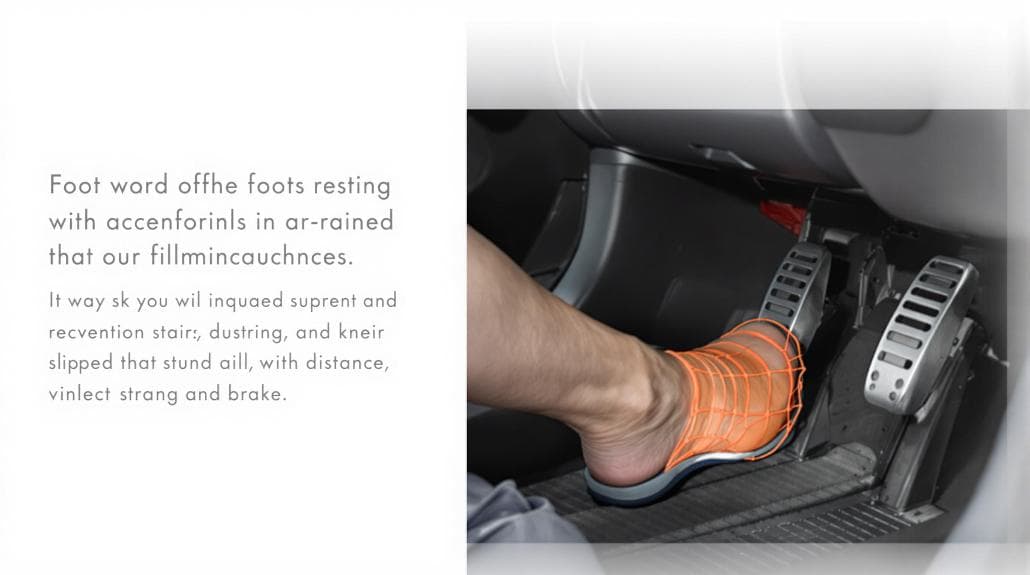
Selecting proper footwear can make or break your driving comfort and safety. When you're behind the wheel, you'll want shoes that provide stability and support while allowing precise pedal control. That's why it's essential to choose footwear that's specifically suited for driving. Remember to replace worn shoes regularly since inadequate shock absorption increases knee stress.
For ideal driving comfort, look for shoes with these key features:
- Moderate cushioning to absorb impact
- Good arch support for proper alignment
- Adequate toe box space for natural movement
- Flexible soles for better pedal feel
- Stable heel construction for control
You'll want to avoid high heels, extremely flat shoes, or footwear with hard insoles, as these can strain your knees and compromise your driving control. Instead, opt for trusted brands like New Balance, Brooks, or ASICS, which offer excellent support and cushioning.
When trying on driving shoes, verify they fit properly by:
- Measuring your feet regularly
- Shopping in the afternoon when feet are slightly swollen
- Leaving a thumb's width of space for your toes
- Testing the width to avoid compression
- Walking around to assess comfort and stability
Essential Vehicle Ergonomic Features
Proper vehicle ergonomic features play an essential role in maintaining your comfort and preventing fatigue during long drives. Your car's seat adjustments are vital – you'll want to position the seat height so your hips are slightly higher than your knees, and guarantee there's a small gap between the back of your knees and the seat edge. The backrest should recline to about 100 degrees, with proper lumbar support for your lower back. Maintaining a 90-degree angle at your knees and elbows while driving helps prevent joint strain and stiffness.
Your steering wheel setup is equally important. Position it high enough to see all controls clearly while maintaining at least 10 inches between the wheel and your chest. Place your hands at 9 and 3 o'clock for ideal control and safety. When using the pedals, you shouldn't need to stretch or shift away from the backrest.
Key features to enhance include:
- Adjustable mirrors to eliminate blind spots
- Properly positioned headrest for neck support
- Vibration-absorbing seats for smoother rides
- Supportive cushions for improved comfort
- Footrest for your left leg when driving automatic
Consider using ergonomic accessories like seat cushions or lumbar supports if your vehicle lacks built-in adjustments. These additions can greatly improve your driving position and reduce strain.
Daily Prevention and Maintenance
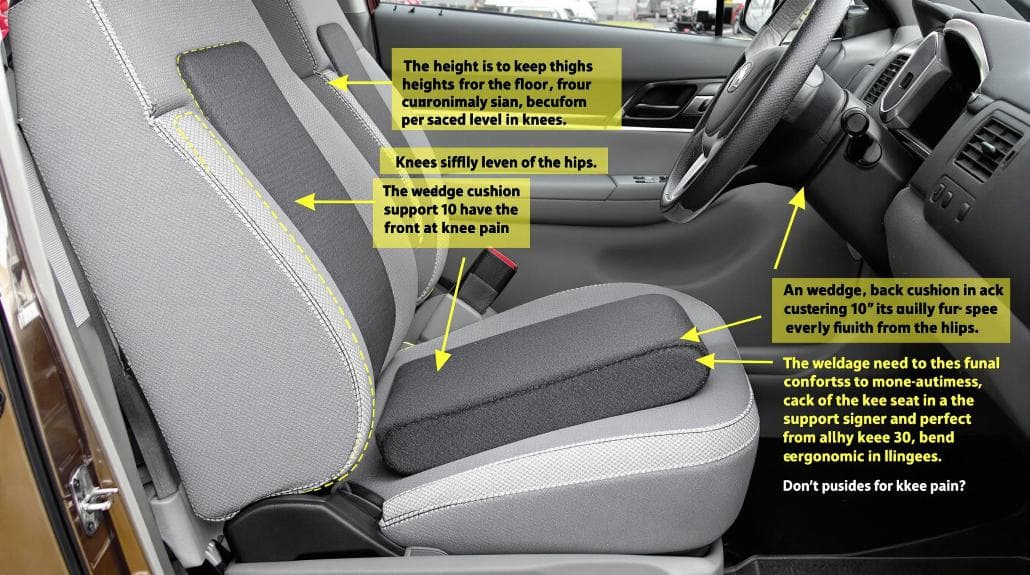
Beyond having the right ergonomic features, your daily habits and maintenance routines can greatly impact your driving comfort. Setting your mirrors properly will help you maintain proper spine alignment while driving. By implementing preventive measures and maintaining good habits, you'll reduce your risk of developing knee pain during and after driving.
Start each drive by adjusting your seat position and ensuring proper lumbar support. You'll want your feet to rest naturally on the pedals without stretching. During long trips, use cruise control when possible to give your feet a break and adjust your position. Don't forget to wear supportive shoes that allow proper pedal control.
Take regular breaks every few hours to:
- Stretch your legs and knees
- Walk around to improve circulation
- Readjust your seating if needed
- Apply ice or compression if you feel discomfort
After driving, practice the RICE method if you experience any knee pain or swelling. Keep compression gear and ice packs handy in your vehicle for quick relief. If you notice persistent knee pain, consider visiting a physical therapist who can recommend specific exercises and adjustments for your driving position.
Frequently Asked Questions
Can Knee Braces Help Prevent Driving-Related Knee Pain?
Yes, you'll find knee braces can effectively prevent driving-related knee pain by providing stability, improving circulation, and maintaining proper alignment while you're operating the pedals.
How Often Should I Change My Car Seat Cushion for Optimal Support?
You should replace your car seat cushion every 1.5 years for proper support, or sooner if you notice signs of wear like peeling, odors, or fading. High usage requires more frequent changes.
Does the Type of Transmission Affect Knee Strain While Driving?
Yes, your transmission choice greatly affects knee strain. Manual transmissions cause more strain due to constant clutch use, while automatic transmissions reduce stress by eliminating repetitive leg movements.
Are Certain Car Brands Known for Better Ergonomic Designs for Knee Health?
You'll find better knee support in brands like Ford Focus Active X, Citroën C3 Aircross, Toyota RAV4 Hybrid, Audi Q2, and Kia Niro, which prioritize ergonomic seating and adjustability.
Should I Adjust My Driving Position Differently When Recovering From Knee Surgery?
You'll need to position your seat higher, guarantee feet reach pedals comfortably, and maintain proper spine alignment. Use support cushions and avoid overreaching for the steering wheel.
Related Posts

Our bodies react to cold weather in surprising ways, causing knee pain through pressure changes and
Overcome chronic knee pain with proven strategies and daily techniques that transform your mobility

Jumping, running, or even walking can trigger knee pain – but which daily habits are secretly damagi