5 Natural Ways to Reduce Inflammation During Cold Winter Months
5 min read

5 Natural Ways to Reduce Inflammation During Cold Winter Months
Combat winter inflammation by loading up on antioxidant-rich citrus fruits, pomegranates, and dark leafy greens that fight cellular damage. Incorporate omega-3-rich fish like salmon or plant sources like walnuts—2-3 grams daily reduces joint stiffness substantially. Add turmeric, ginger, and garlic to meals for their powerful anti-inflammatory compounds. Stay hydrated with probiotic beverages like kefir, which can reduce inflammatory markers by 70-80%. Finally, prioritize 7-9 hours of consistent sleep and gentle morning stretches to support your body's natural defense mechanisms throughout the colder months ahead.
Load Up on Winter Fruits and Vegetables Rich in Antioxidants
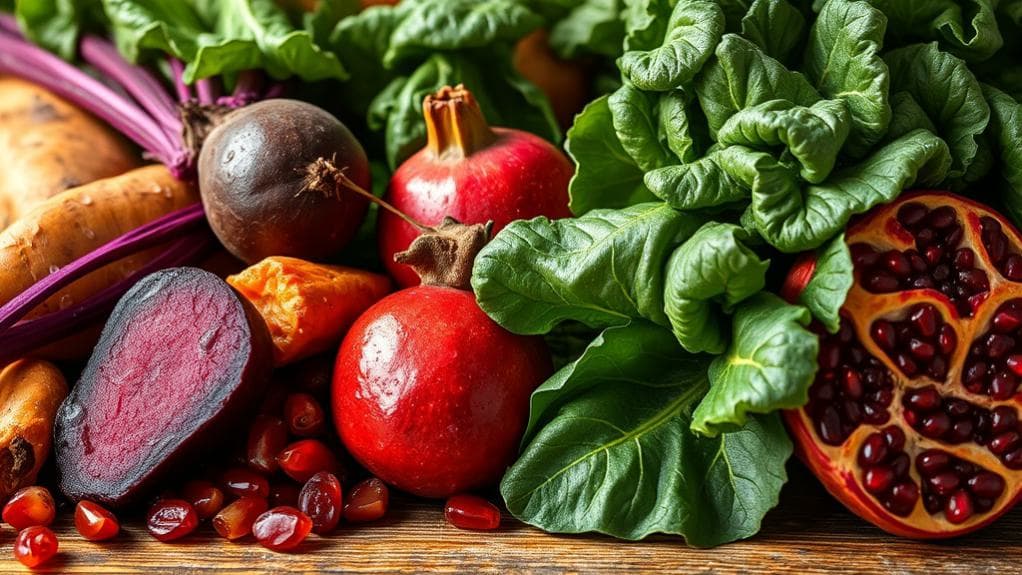
Winter's chill brings a powerful lineup of anti-inflammatory foods that'll help your body fight oxidative stress and chronic inflammation.
Citrus fruits pack vitamin C and flavonoids that combat damage linked to aging and heart disease. Toss them into salads or enjoy as fresh snacks.
Pomegranates deliver polyphenols that decrease inflammation throughout your gut, brain, and cardiovascular system while supporting detoxification.
Cranberries contain anthocyanins and quercetin that fight infections and heal connective tissues.
Dark leafy greens like kale and spinach provide alpha-linolenic acid to inhibit inflammation.
Cruciferous vegetables offer phytonutrient compounds that lower inflammation and support your body's natural detoxification pathways.
Winter squash varieties like butternut and acorn contain quercetin and kaempferol that help reduce inflammatory markers in the body.
Incorporate Healthy Fats and Omega-3s Into Your Daily Meals
Focus on omega-3-rich foods that directly combat inflammation:
Fish sources: Salmon, mackerel, sardines, and herring contain EPA and DHA—omega-3s that bind to immune cell receptors and shut down inflammatory pathways. Studies show 2-3 grams daily reduces joint stiffness in rheumatoid arthritis patients.
Plant options: Walnuts, flax seeds, and avocados provide ALA omega-3s that convert partially to EPA and DHA.
These fats lower inflammatory cytokines and stabilize arterial plaques. Omega-3s are also key in retina and brain development, supporting overall health beyond inflammation reduction. Pair them with reduced omega-6 intake for ideal anti-inflammatory balance.
Harness the Power of Anti-Inflammatory Herbs and Spices
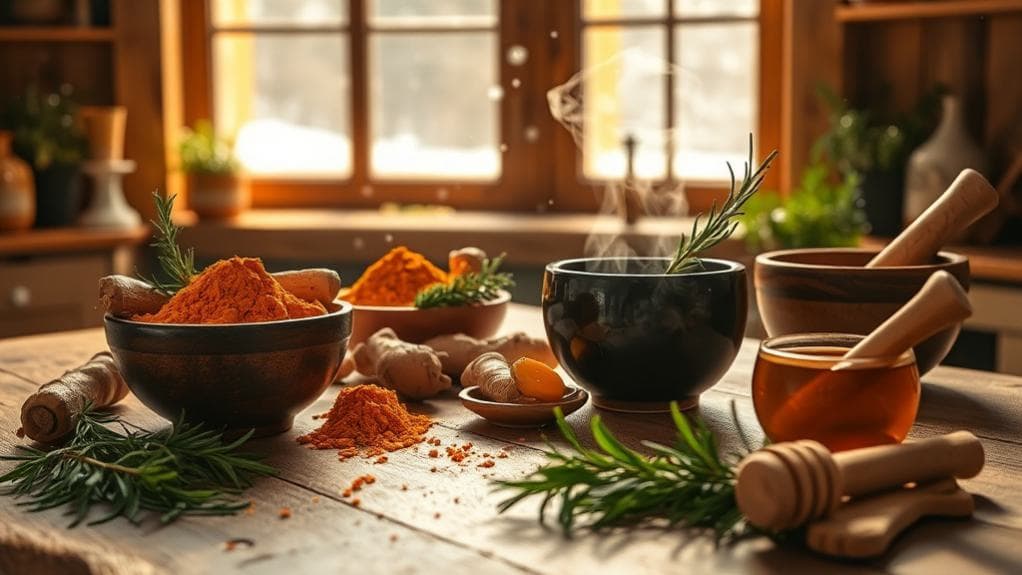
Your spice rack holds powerful inflammation fighters that work as effectively as many over-the-counter remedies. Turmeric's curcumin reduces congestion and cold symptoms, especially when paired with black pepper for better absorption. Ginger's gingerol eases nausea while providing antimicrobial protection. Cinnamon regulates blood sugar and supports respiratory health. Peppermint contains menthol that eases congestion and opens airways for respiratory relief during winter months.
Maximize these anti-inflammatory benefits by:
- Adding turmeric and black pepper to golden milk or warm teas
- Incorporating fresh garlic into daily meals for allicin's immune-boosting effects
- Sprinkling cinnamon on oatmeal to reduce inflammation and satisfy sweetness naturally
These everyday spices transform ordinary dishes into therapeutic remedies that combat winter inflammation.
Stay Hydrated With Healing Teas and Probiotic Beverages
When fighting inflammation, what you drink matters just as much as what you eat. Fermented beverages like kefir and kombucha increase microbial diversity while decreasing inflammatory proteins such as interleukin-6, which is linked to rheumatoid arthritis and diabetes. Studies show probiotics can downregulate pro-inflammatory cytokines by 70-80% in macrophages.
A 10-week fermented food diet reduced 19 inflammatory markers in adults. These probiotic drinks also shift T-cells toward anti-inflammatory responses while increasing beneficial bacteria like bifidobacteria. Additionally, probiotics can strengthen immune system responses, helping to Reduce inflammation-related conditions during the winter months. For maximum benefits, consume larger servings regularly. You'll support your gut-brain axis, strengthen immunity, and combat winter inflammation naturally.
Adopt Simple Lifestyle Habits to Support Your Body's Natural Defenses
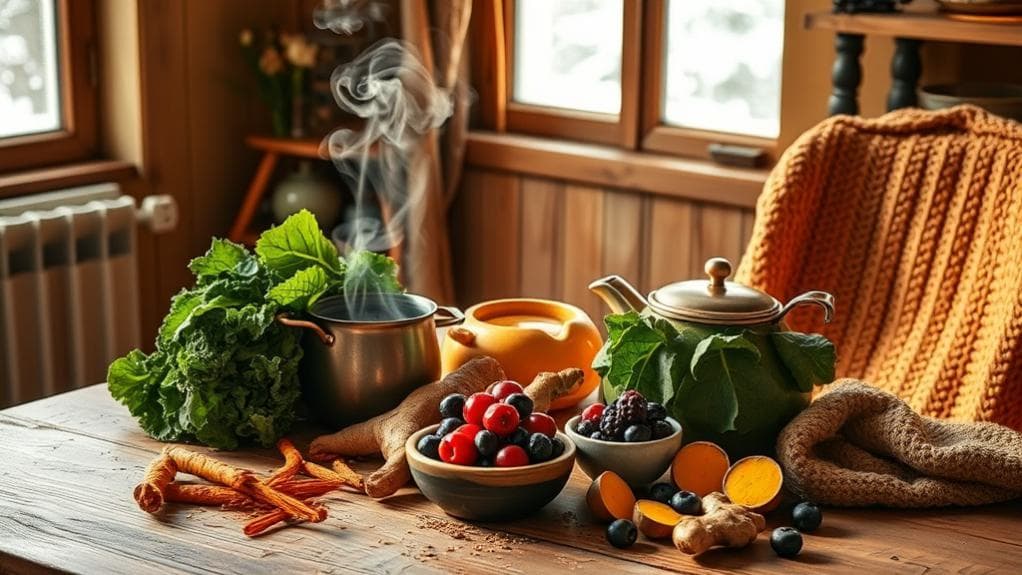
Beyond what fills your glass, the daily habits you practice throughout winter can either amplify or silence inflammatory responses in your body. Consistent sleep schedules and cool, dark bedrooms optimize immune defenses while reducing inflammation through improved recovery. Warm up before outdoor activities and incorporate gentle movement like tai chi to maintain flexibility without joint stress. Reduced physical activity in winter contributes to stiffness and weakness, making intentional movement even more critical.
simple habits that support natural defenses:
- Sleep 7-9 hours nightly with consistent wake times
- Stretch for 5-10 minutes each morning
- Apply warm compresses to soothe stiff muscles
These foundational practices create conditions where your body can naturally manage inflammation effectively.
Frequently Asked Questions
How Long Does It Take to See Inflammation Reduction Results?
You'll typically notice inflammation reduction within 2-4 weeks of consistent dietary changes. Some foods like ginger work faster in 1-3 weeks, while others need 4-8 weeks. Combined lifestyle improvements accelerate results greatly.
Can Supplements Replace Anti-Inflammatory Foods During Winter?
Supplements can't fully replace anti-inflammatory foods during winter. While they provide targeted nutrients like vitamin D and omega-3s, you'll miss synergistic compounds, fiber, and better bioavailability that whole foods offer for peak immune function.
Are There Specific Times of Day Best for Anti-Inflammatory Foods?
You'll achieve maximum anti-inflammatory benefits by spreading your meals consistently throughout the day, aligning with your body's natural rhythms. This timing helps maintain steady phytonutrient levels and maximizes antioxidant absorption for better inflammation control.
Should I Avoid Exercise When Experiencing Inflammation During Cold Weather?
You shouldn't avoid exercise entirely, but you'll need to modify your routine. Choose low-impact indoor activities, extend your warm-up time, dress warmly, and breathe through your nose to minimize inflammation while maintaining joint mobility.
Can Indoor Heating Worsen Inflammation Symptoms in Winter Months?
Yes, indoor heating can worsen inflammation. It dries out your nasal passages, circulates allergens through ducts, and irritates your respiratory system. You'll experience increased congestion, coughing, and sinus pressure from these combined effects.
Advertisement
Related Posts

When dealing with knee pain at home, it's essential to first identify potential causes like overuse,

If you are scheduled for surgery, are pregnant and expecting soon, you may be wondering about pethid